The Evolution of Industrial Equipment
Over the decades, the landscape of Industrial Equipment has witnessed significant transformations, aligning with technological advancements and market demands. Early machinery was predominantly manual, requiring human intervention for operation and precision. However, with the automation revolution, these machines have become sophisticated, integrating complex systems to enhance productivity. Witnessing this evolution first-hand provides a fascinating glimpse into how industries have optimized operations for efficiency.
Consider the adaptation of automated assembly lines and robotics in manufacturing. These innovations have not only decreased production times but have also dramatically improved safety and precision. As industries continue to evolve, so too does the complexity of the equipment they employ, ensuring they meet contemporary challenges head-on.
Importance of Industrial Equipment in Modern Industries
Industrial Equipment plays a vital role in the functionality and success of numerous sectors. Whether in construction, mining, or manufacturing, these machines ensure the seamless execution of tasks that would otherwise be labor-intensive and time-consuming. The productivity and efficiency brought about by these machines are unmatched, enabling industries to meet growing demands while maintaining quality standards.
In material handling and logistics, for example, the deployment of advanced warehousing equipment ensures swift and error-free processing of goods. This not only affects the bottom line but also fosters a safe working environment. By recognizing the irreplaceable role of such machinery, businesses can strategically invest in equipment that enhances their operational capabilities.
Technological Advancements Shaping Industrial Equipment
The integration of technology in Industrial Equipment has given rise to smarter, more efficient machinery. Innovations such as IoT and AI have brought about significant improvements in monitoring and predictive maintenance, minimizing downtime and reducing operational costs. These advancements enable equipment to communicate vital data, allowing operators to make informed decisions and optimize performance.
Consider the impact of sensor technology, which provides real-time insights into machine health and productivity. This data-driven approach empowers industries to foresee issues before they escalate into costly repairs or replacements. Consequently, businesses can allocate resources more effectively, boosting both efficiency and profitability.
From automated diagnostics to remote monitoring capabilities, these technological breakthroughs have revolutionized how Industrial Equipment operates, ensuring they remain at the forefront of modern industrial solutions.
Key Considerations When Choosing Industrial Equipment
Define Your Industry Needs
Choosing the right Industrial Equipment begins with a thorough understanding of your specific industry requirements. Different sectors demand varied functionalities, and identifying these core needs is crucial in selecting machinery that aligns with your operational goals. Conducting a detailed needs analysis can help outline the specifications to prioritize during your search.
Evaluate Performance and Efficiency
Performance and efficiency are critical metrics when evaluating potential industrial machinery. It is essential to consider not only the immediate output but also the long-term sustainability and maintenance needs of the equipment. High-performing machines that require minimal maintenance can offer substantial cost savings over time, making them a preferable choice for industries mindful of both productivity and budget.
The Role of Industrial Equipment in Sustainability Initiatives
As environmental concerns become increasingly prominent, industries are looking towards Industrial Equipment that supports sustainability initiatives. Modern machinery is now more energy-efficient and environmentally friendly, reducing carbon footprints and promoting eco-friendly operations. This transition not only benefits the environment but also aligns with regulatory compliance and green standards.
Manufacturers are investing in the development of equipment that utilizes renewable energy sources, such as solar-powered machinery, which drastically reduces reliance on fossil fuels. Additionally, innovations in recycling and waste management within industrial processes further contribute to sustainable practices.
Navigating the Digital Landscape with Machinery Online
Machinery Online has established itself as a pioneer in the digital marketplace for Industrial Equipment. By offering a comprehensive online platform, it provides a convenient solution for buying and selling machinery tailored to diverse industry requirements. The platform’s user-friendly interface ensures that clients can easily find the equipment they need with just a few clicks.
With over 1.5K active listings and a robust search functionality, Machinery Online enables users to locate equipment based on precise criteria, including location and technical specifications. This level of detail empowers buyers to make informed decisions, unlocking potential for operational success and growth within their respective fields.
Customer Insights and Experiences at Machinery Online
Real-world testimonials from clients who have engaged with Machinery Online underscore the value and reliability of the platform. David Chen, an independent builder, lauds the assurance and quality of machinery purchased, while Max Yarych highlights the exceptional customer support experienced during his transactions. Such endorsements reflect the commitment of Machinery Online to delivering excellence across its services.
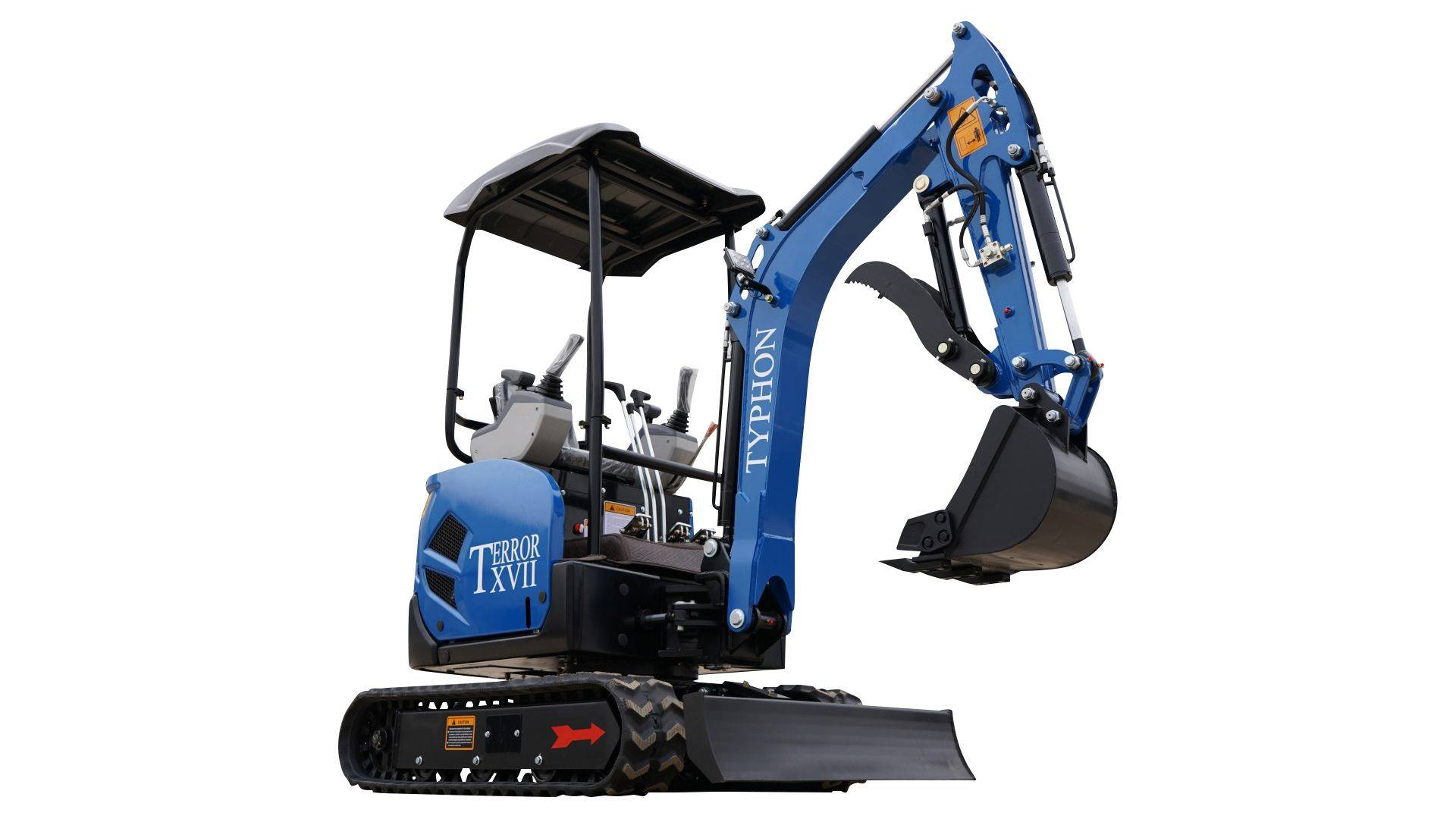
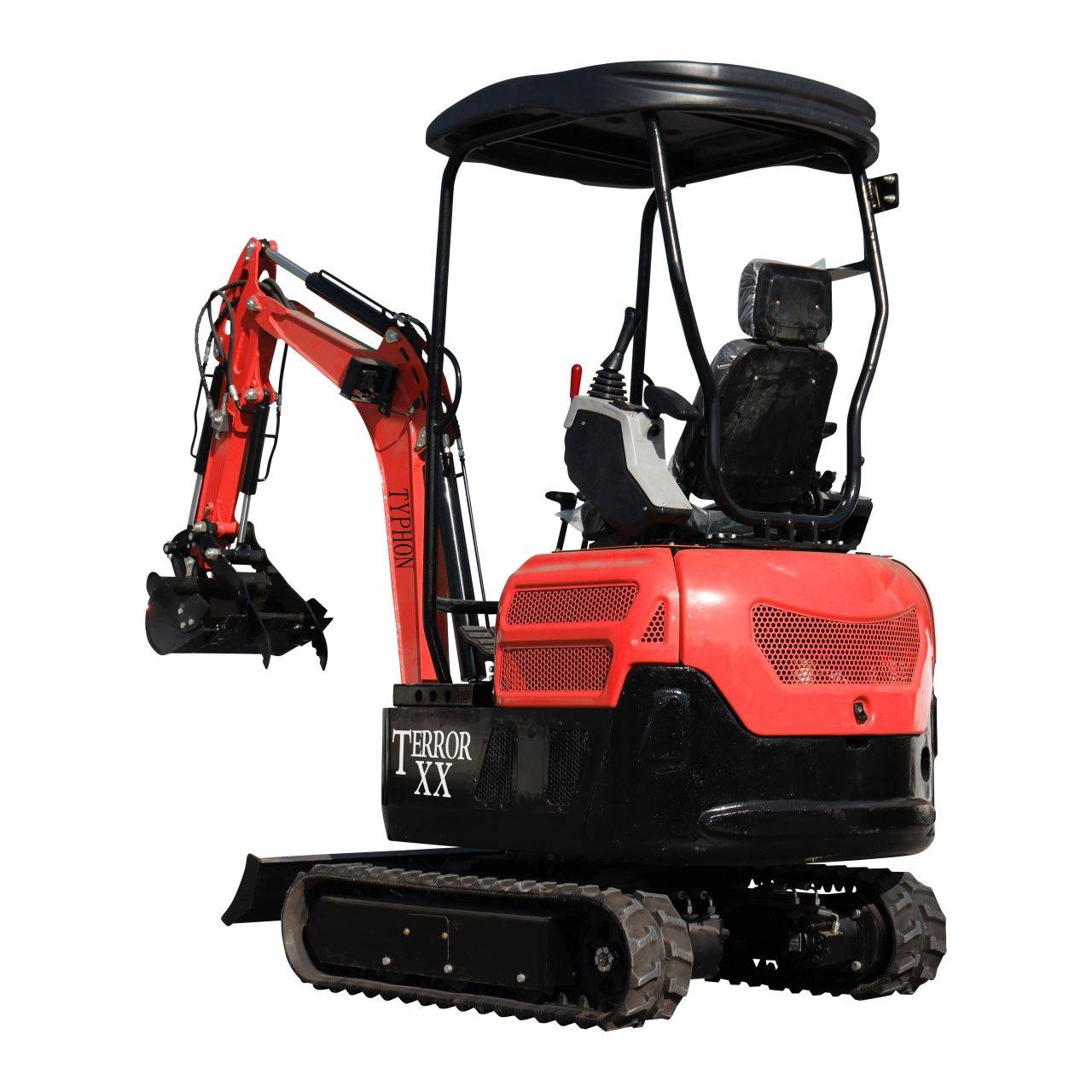
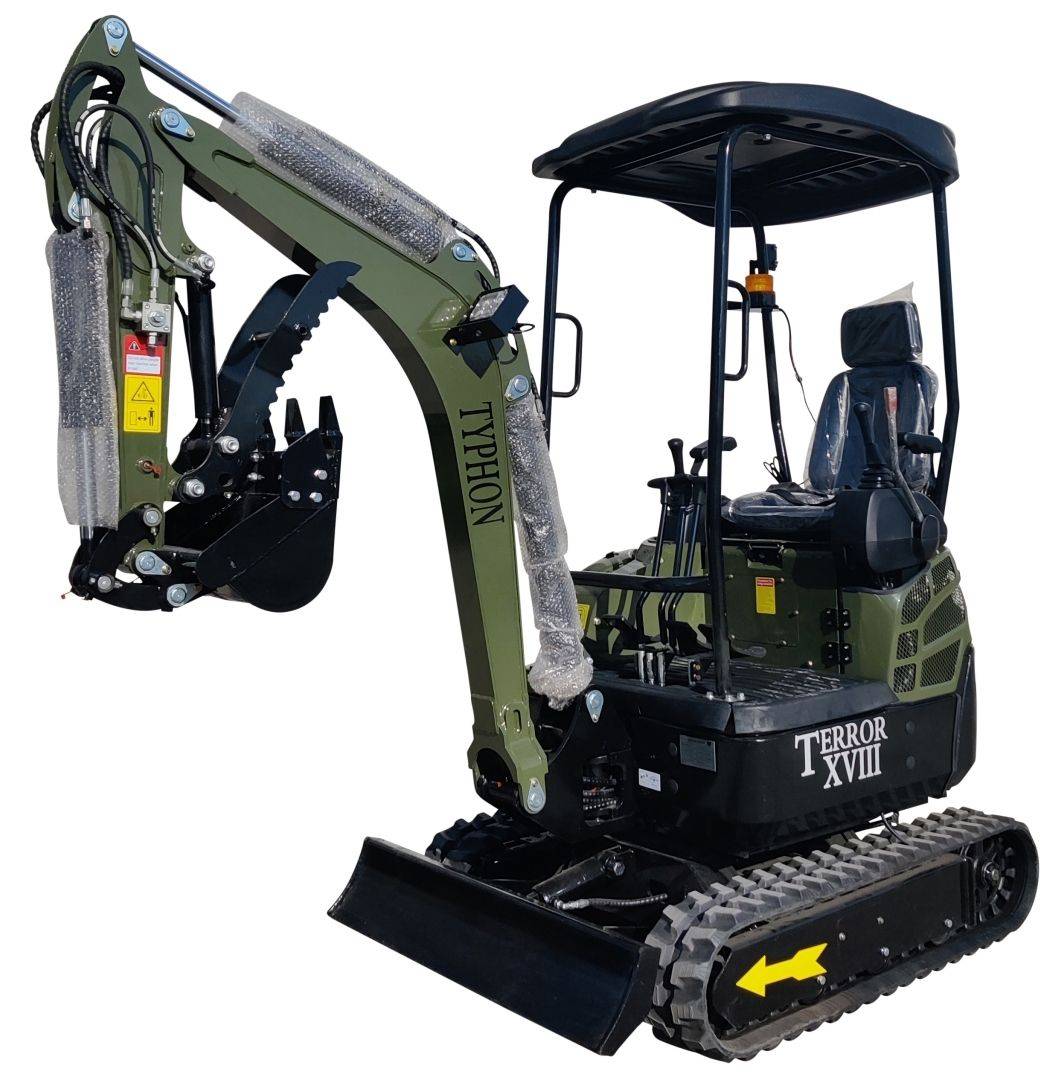
Emma Newman’s acquisition of a mini excavator exemplifies the platform’s impact on enhancing project outcomes, affirming that the right Industrial Equipment can significantly elevate construction efficiencies. These customer experiences not only validate the platform’s capabilities but also serve as compelling narratives for potential clients considering their equipment investments.
Future Trends in Industrial Equipment
The future of Industrial Equipment is undoubtedly dynamic, with emerging technologies poised to further revolutionize the sector. The continuous innovation of smart technologies, including AI and machine learning, promises to enhance predictive analytics, streamline operations, and boost machine learning capabilities.
As equipment becomes more autonomous and connected, the potential for remote operation and management increases, offering flexibility and control to industries. This shift not only caters to efficiency but also addresses challenges such as labor shortages and geographic constraints. Staying abreast of these trends is vital for businesses seeking to maintain a competitive edge in rapidly evolving markets.
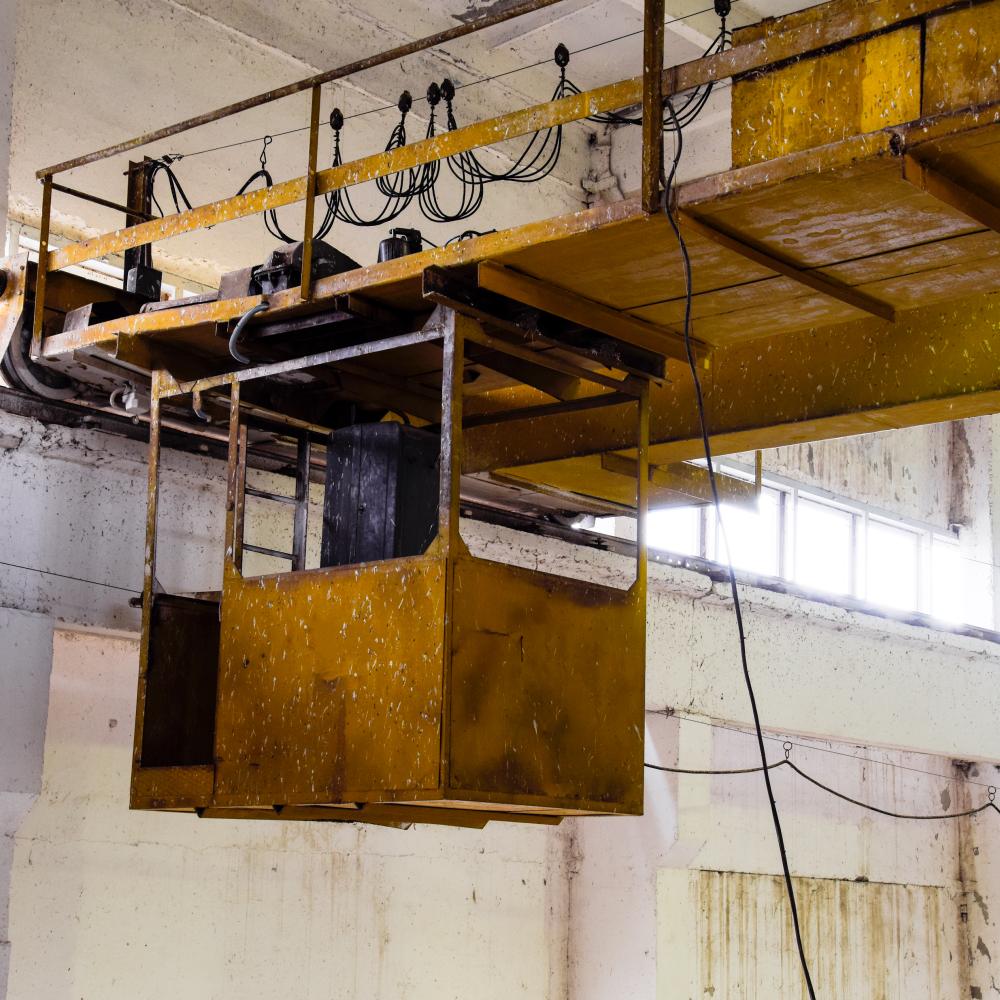
How has the evolution of industrial equipment impacted industry efficiency and safety?
The transformation of industrial equipment over the years has been nothing short of revolutionary, particularly in enhancing efficiency and safety in various sectors. Initially, machinery required extensive human intervention, which not only slowed down processes but also posed considerable safety risks. However, with advancements such as automation and the introduction of robotics, production times have been significantly reduced while precision has improved. For instance, automated assembly lines now minimize human error and increase safety by taking on hazardous tasks. These changes have allowed industries to not only meet but exceed operational demands, creating a safer and more efficient working environment.
What makes industrial equipment indispensable in modern industries?
Industrial equipment is foundational to the success of modern industries by enabling tasks to be completed with speed and precision that human labor alone couldn’t achieve. Whether in construction, manufacturing, or mining, these machines reduce manual labor and time, allowing businesses to scale operations efficiently. Consider a scenario where a construction company uses forklifts and excavators to handle heavy materials; the efficiency brought by such machinery directly impacts project timelines and quality, making industrial equipment indispensable.
What are the key technological advancements transforming industrial equipment today?
Today’s industrial equipment is increasingly integrated with cutting-edge technologies like IoT, AI, and sensor-driven systems. These innovations allow machinery to communicate valuable data in real-time, enhancing predictive maintenance and reducing downtime. For instance, IoT-enabled equipment delivers insights into operational efficiency, helping businesses anticipate maintenance needs before they become critical issues. Such data-driven strategies not only minimize repair costs but also boost the overall productivity and lifespan of machines. This technology-driven transformation ensures that equipment remains at the forefront of industrial advancements.
What should businesses consider when choosing industrial equipment?
When selecting industrial equipment, understanding specific industry needs is crucial. Each sector has unique demands, so it’s vital to conduct a thorough needs analysis to guide decision-making. Performance and efficiency should be prioritized, as they directly affect productivity and long-term costs. Opting for high-performing machines with minimal maintenance requirements can result in substantial savings and increased output. Imagine a logistics company investing in advanced warehousing equipment for swift goods processing–this choice directly impacts their bottom line through optimized operations.
How does industrial equipment contribute to sustainability initiatives?
Industrial equipment plays a key role in advancing sustainability by reducing environmental impacts through energy-efficient designs and eco-friendly operations. Manufacturers are increasingly focusing on machinery that utilizes renewable energy sources, like solar power, lessening reliance on fossil fuels. Advances in recycling and waste management within industrial processes further support sustainability goals. These initiatives not only help companies meet regulatory compliance but also contribute to global environmental efforts. By investing in sustainable equipment, businesses can align their operations with broader green strategies.
How does Machinery Online leverage the digital landscape to enhance the equipment buying process?
Machinery Online simplifies the equipment procurement process by providing a comprehensive digital platform tailored to industry needs. With an intuitive interface and over 1.5K active listings, finding specific machinery is just a few clicks away. The platform’s detailed search functions allow users to filter results by location and technical specifications, making it easier to find suitable equipment. This digital approach not only streamlines purchasing but also opens up new avenues for operational success by ensuring businesses have quick access to necessary resources.
What do customer insights and experiences reveal about Machinery Online’s offerings?
Customer testimonials highlight the reliability and quality of Machinery Online’s offerings. Clients like David Chen and Emma Newman praise the platform for delivering machines as described, which have significantly improved their project outcomes. These positive experiences reflect Machinery Online’s commitment to excellence and customer satisfaction. By showcasing such endorsements, the platform builds trust and credibility, encouraging potential clients to engage confidently. What challenges have you faced with equipment procurement, and how might a platform like Machinery Online address them?
What future trends are shaping the industrial equipment sector?
The industrial equipment sector is on the brink of a technological revolution with trends like AI and machine learning poised to enhance predictive analytics and operation autonomy. Equipment is becoming more connected and capable of remote management, offering industries greater flexibility, especially in overcoming labor shortages and geographic limitations. For example, the ability to remotely control machinery could transform industries reliant on on-site operations, leading to more agile and adaptable business models. Staying informed about these trends is essential for maintaining a competitive edge.
How can Machinery Online help you optimize your industrial operations?
As a leading marketplace for industrial equipment, Machinery Online offers a diverse selection of machinery tailored for construction, mining, material handling, and more. By partnering with industry-leading brands, it ensures that clients receive top-quality products to unlock their projects’ full potential. With over 1.5K active listings and excellent customer support, Machinery Online provides a reliable platform for all your equipment needs. Explore our offerings and discover how we can elevate your operations with state-of-the-art machinery. What specific equipment are you looking for to enhance your projects?
Resources
- Environmental Protection Agency (EPA) – The EPA is a government agency responsible for protecting human health and the environment.
- National Renewable Energy Laboratory (NREL) – NREL is a research laboratory that focuses on renewable energy and energy efficiency.
- Bureau of Labor Statistics (BLS) – The BLS is a government agency that provides data on labor market activity, working conditions, and price changes in the economy.
- Occupational Safety and Health Administration (OSHA) – OSHA is a government agency that ensures safe and healthful working conditions for workers.