Call Support
Email Address
TYPHON MACHINERY | COMPANY NEWS | JUNE 2026
Honestly, we still can’t quite believe it. Two awards. One night. And a room full of some of the best eBay sellers in the region.
We have been selling machinery on eBay for a while now, and if there’s one thing we’ve learned, it’s that the work is never really done. There’s always a new market to reach, a better way to list, a smarter ad strategy to test. So when eBay called our name — twice — at the Seller Connect Southeast Asia Awards 2026, it was one of those moments where you take a breath and actually let yourself feel proud.
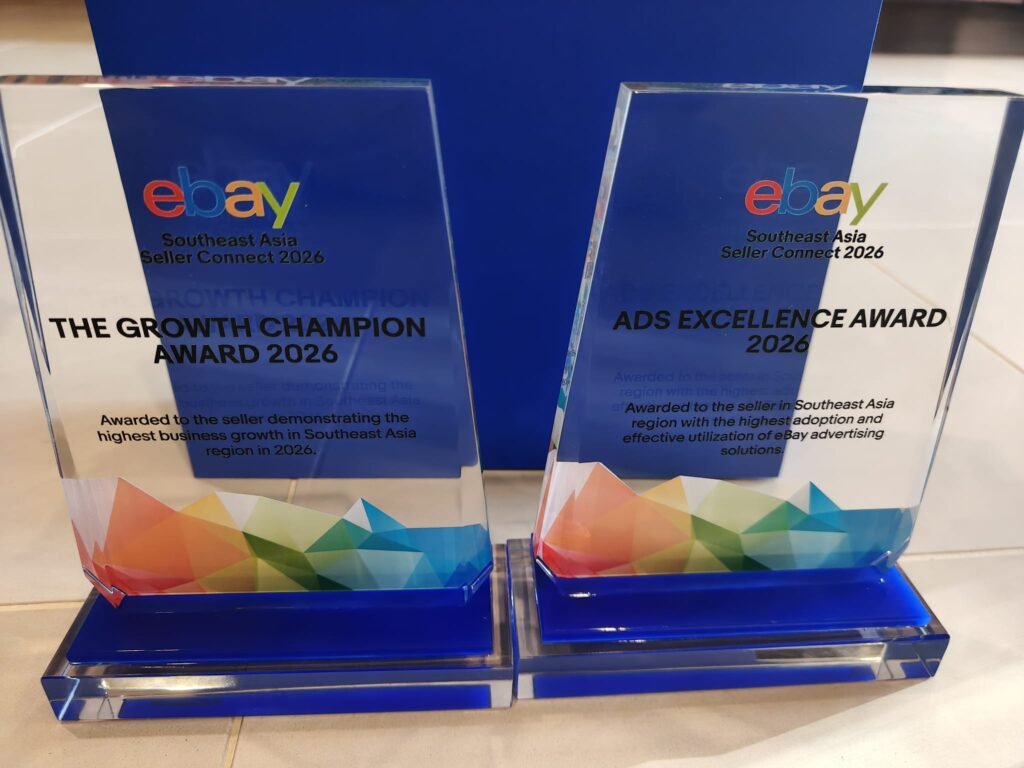
TYPHON Machinery walked away with the Growth Champion Award and the Ads Excellence Award. Two of the most competitive categories on the night. And we want to take a moment to share what that means — not just for us as a business, but for every customer who has placed an order, asked a question, or trusted us to deliver.
“These awards belong to our customers as much as they belong to us. None of this happens without you.”
For those who aren’t familiar with the eBay Seller Connect Southeast Asia event, it’s an annual gathering that brings together eBay’s top sellers across the region. The awards recognize standout performance across different categories — growth, customer service, advertising, and more.
Here’s a quick look at the two awards TYPHON Machinery received:
| Award | What It Recognises |
| The Growth Champion Award 2026 | Awarded to the seller demonstrating the highest business growth in the Southeast Asia region in 2026. |
| Ads Excellence Award 2026 | Awarded to the seller in Southeast Asia with the highest adoption and effective utilization of eBay advertising solutions. |
Both awards are voted on and assessed by eBay’s regional team based on real performance data. Winning one is an achievement. Winning both in the same year is something we genuinely did not expect.
This one hit differently. The Growth Champion Award goes to the seller who has shown the most impressive business growth across the entire Southeast Asia region in the past year. That’s not just sales numbers — it’s reach, customer base, product range, and how consistently that growth happened.
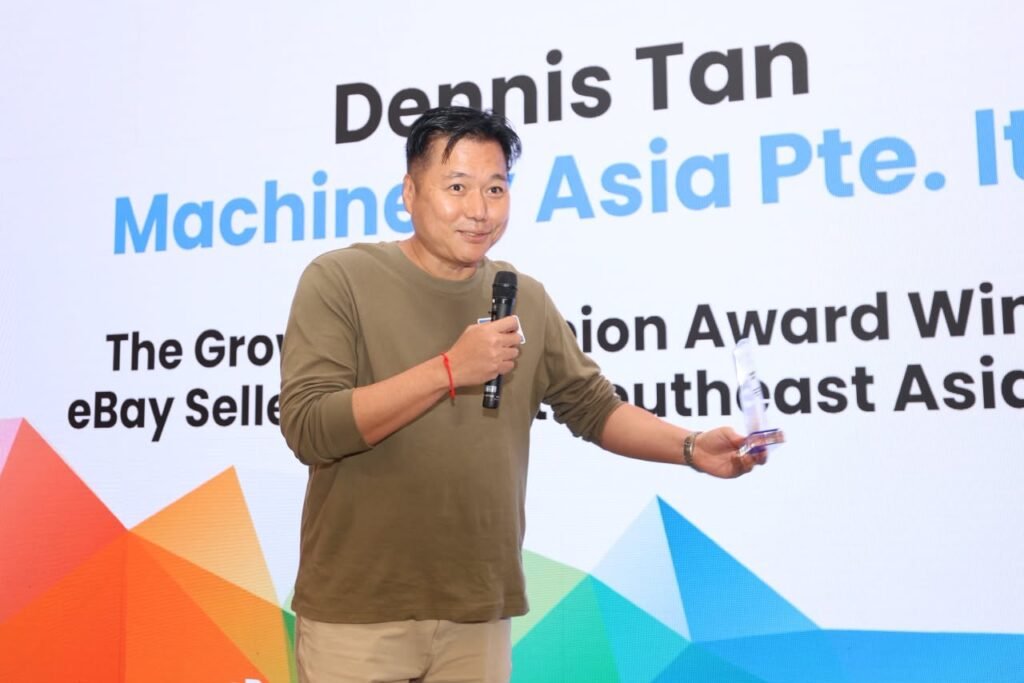
For us at TYPHON Machinery, this past year has been all about getting the fundamentals right. We focused on making sure the right products were available, that listings were clear and accurate, and that customers could count on us for fast responses and reliable shipping. We didn’t chase shortcuts. We just kept showing up — and apparently, that made a difference.
Winning the Growth Champion Award tells us that the approach is working. But more than that, it’s a reminder of why we started: to make quality machinery accessible to businesses of all sizes across Southeast Asia.
A lot of people think advertising on eBay is just about throwing money at Promoted Listings and hoping for the best. It isn’t. And this award is proof of that.
The Ads Excellence Award recognises sellers who use eBay’s advertising tools in a smart, effective way — not just who spends the most. It’s about understanding your audience, knowing which products deserve more visibility, timing your campaigns well, and tracking what actually works.
Over the past year, our team put a lot of thought into how we approach advertising. We tested different strategies, cut what wasn’t working, and doubled down on what was. The result was better visibility for our products and — more importantly — better outcomes for buyers who were actually looking for what we sell.
Getting recognised for that feels good. Not because of the trophy, but because it validates the time and effort our team has put into doing things the right way.
We want to be straight with you: these awards aren’t the goal. They’re a reflection of what the goal actually is — being a supplier you can rely on.
What we hope you take away from this news is simple:
“Two awards is a great night. But a customer who comes back? That’s the real win.”
We’ll be honest — we celebrated for about five minutes and then started thinking about what comes next. That’s just how we’re wired.
In the coming months, we’re expanding our product range to cover more machinery categories that our customers have been asking about. We’re also investing in faster dispatch, better packaging, and an even more responsive customer support process.
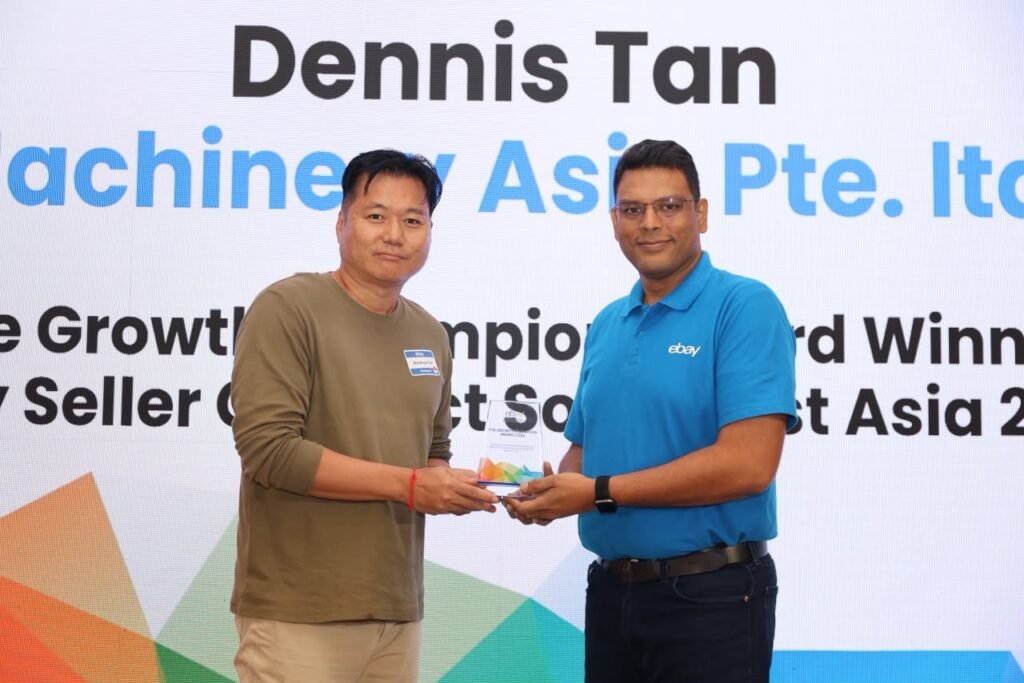
We want to be the name that comes to mind first when someone needs machinery they can trust — wherever they are in the world. Nights like the eBay Seller Connect Awards 2026 tell us we’re heading in the right direction.
Thank you for being part of the journey. The best is genuinely still ahead.
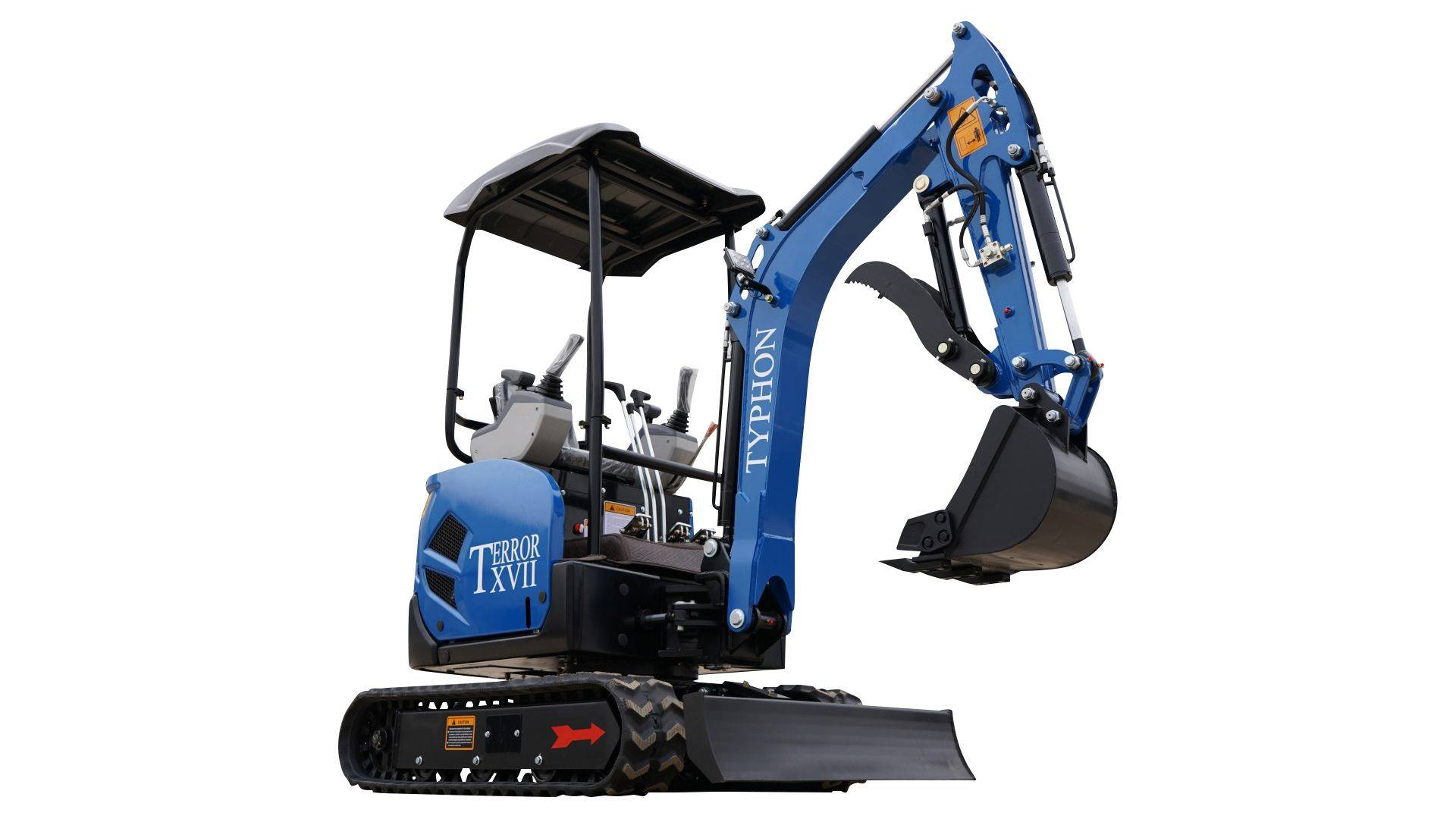
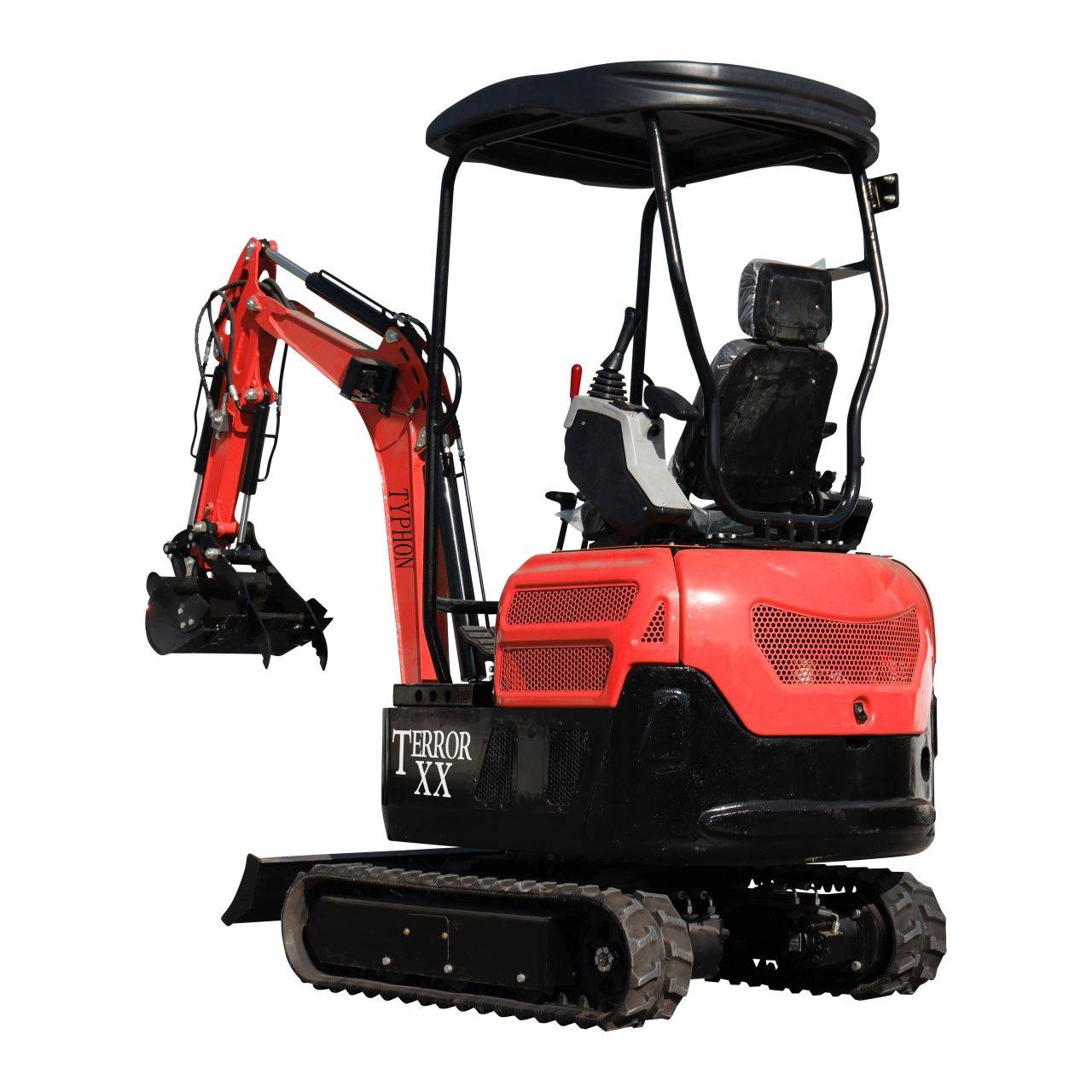
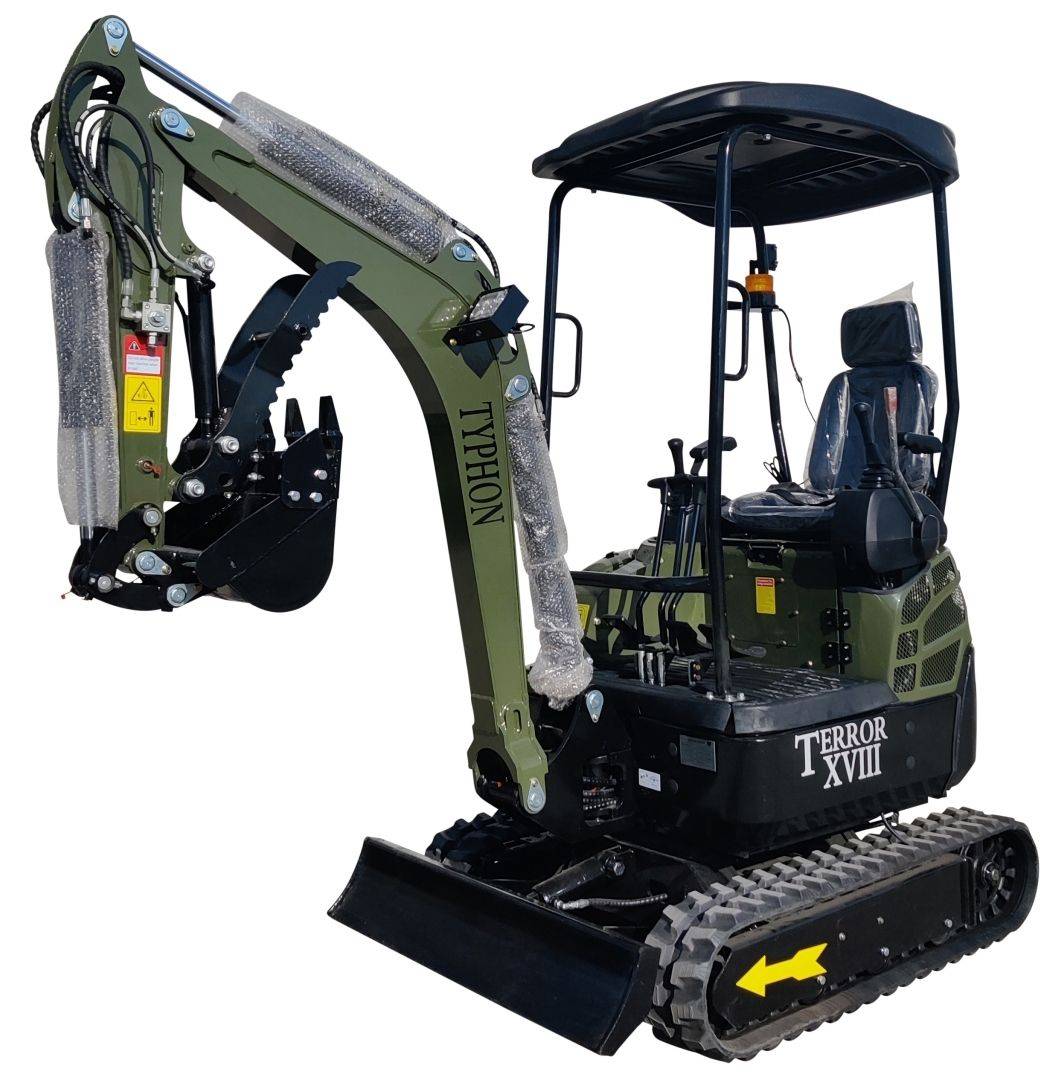
TYPHON Machinery is a US-based supplier of compact construction equipment — mini excavators, skid steer loaders, forklifts, road rollers, wheel loaders, and scissor lifts — serving contractors, landscapers, farmers, and small businesses across the United States. Operating out of Commerce, California, we combine ISO 9001:2015-certified quality with free nationwide shipping, a 1-year warranty, and a dedicated support team that actually picks up the phone.
#TYPHONMachinery | #eBaySEA | #SellerConnect2026 | #GrowthChampion | #AdsExcellence