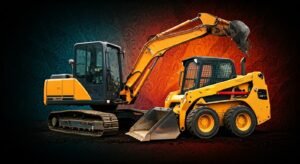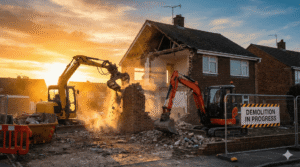
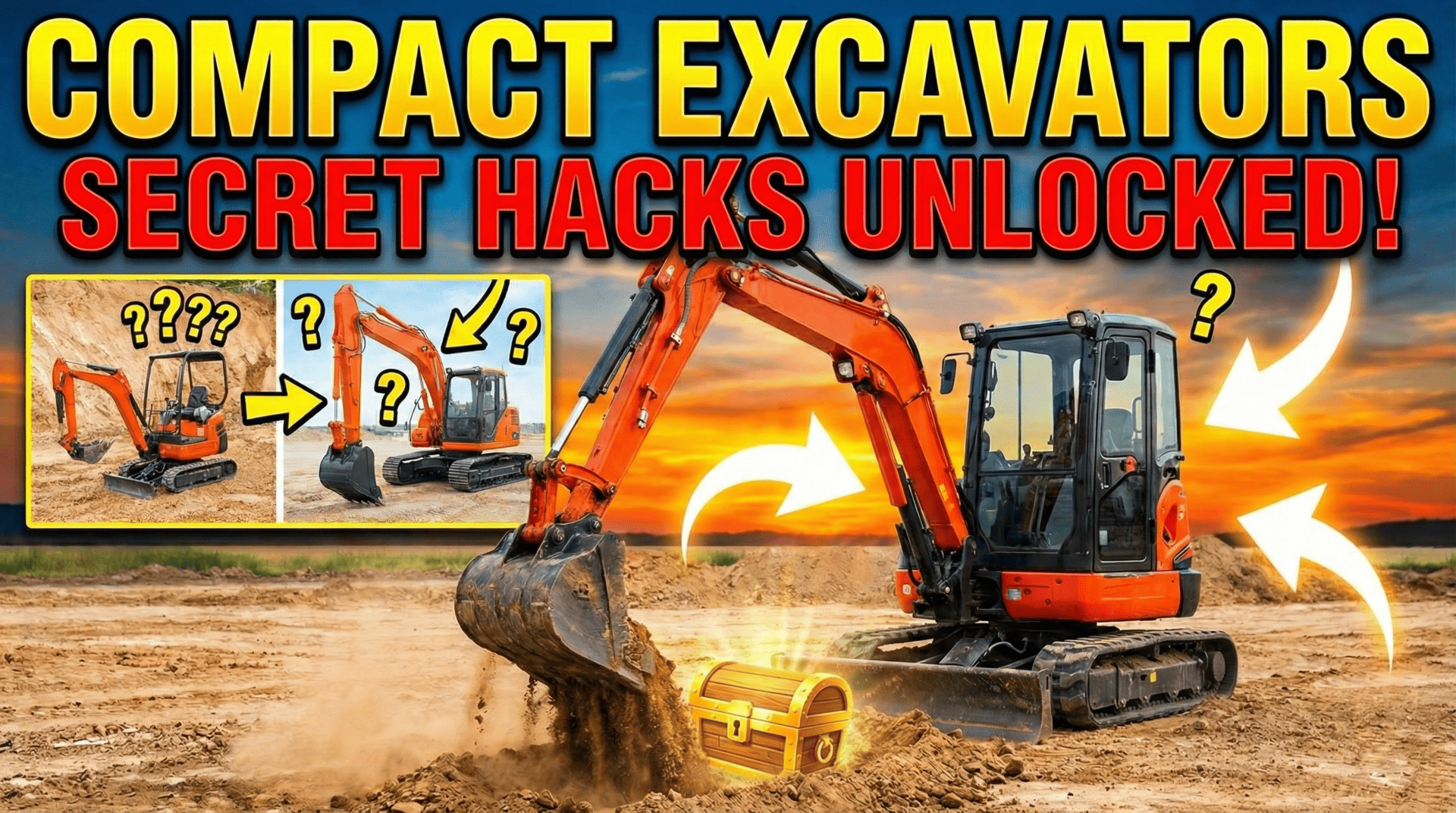
If you have ever watched a construction crew maneuver a massive machine into a backyard barely big enough for a swing set, you have witnessed the magic of the compact excavator. Often called “mini excavators,” these machines have completely revolutionized how we dig, lift, and demolish.
The days when digging a trench for a new utility line required a shovel and five strong backs are long gone. Today, the compact excavator is the undisputed king of versatility. Whether you are a seasoned contractor, a rental business owner, or a DIY warrior tackling a massive landscaping project, understanding these machines is critical to saving time and money.
In this detailed guide, we are going to break down everything you need to know about compact excavators—from weight classes and tail swings to the electric revolution and maintenance tips that will keep your machine running for decades.
What Exactly Is a Compact Excavator?
A compact excavator is generally defined as a tracked excavator with an operating weight of under 20,000 pounds (10 metric tons). They function just like their massive cousins—using a boom, stick, and bucket to dig—but they are designed to fit into tight spaces where larger equipment simply cannot go.
But don’t let the word “compact” fool you. Modern engineering has packed incredible hydraulic power into these small frames.
The Anatomy of a Mini Ex
To understand the machine, you need to know the three main components:
-
The Undercarriage: This holds the tracks (rubber or steel) and the dozer blade. The blade is a crucial feature unique to compacts, used for grading and stability.
-
The House: This is the cab and engine compartment that rotates 360 degrees.
-
The Work Group: The boom, arm, and attachment (usually a bucket) that do the actual work.
Understanding Size Classes: It’s Not One-Size-Fits-All
One of the biggest mistakes buyers and renters make is getting the wrong size. “Bigger is better” doesn’t apply when you are trying to squeeze through a garden gate. Let’s break down the weight classes so you can choose the right tool for the job.
1. Micro Excavators (Under 1 Ton to 2 Tons)
-
The “Doorway” Diggers.
-
Typical Weight: 2,000–4,000 lbs.
-
Best For: Indoor demolition, backyard landscaping, plumbing retrofits in tight alleys.
-
The Pro: Many of these feature retractable undercarriages. You can shrink the track width to drive through a standard 36-inch door frame, then expand them back out for stability once you are inside.
2. The Standard Class (3 Tons to 5 Tons)
-
The Industry Workhorse.
-
Typical Weight: 6,000–10,000 lbs.
-
Best For: Utility trenching, septic tank installation, pool digging, larger hardscaping jobs.
-
The Pro: This is the “Goldilocks” size. It has enough breakout force to handle rocky soil and tree stumps but is still light enough to be towed by a heavy-duty pickup truck (like an F-250 or 2500 series) without needing a CDL in some jurisdictions (always check local towing laws!).
3. Heavy Compacts (6 Tons to 10 Tons)
-
The Big Leaguers.
-
Typical Weight: 12,000 – 20,000 lbs.
-
Best For: Major road work, heavy demolition, commercial site prep.
-
The Pro: These bridge the gap between “mini” and “full-size.” They offer massive dig depth (often 12-15 feet) and lifting capacity, but you will need a dedicated semi-truck and trailer to move them.
Tail Swing: Zero vs. Conventional
This is the single most debated spec in the industry. The “tail swing” refers to how much the back of the house (the counterweight) hangs over the tracks when you rotate the machine.
Zero Tail Swing (ZTS)
When you rotate the housing, the rear of the machine stays inside the width of the tracks.
-
Why you want it: You can park the machine right next to a house or fence and spin 360 degrees without hitting anything. It reduces the stress of the operator constantly looking over their shoulder.
-
The Trade-off: To keep the tail short, engineers have to widen the machine or pack components tighter. This can sometimes make the cab feel smaller or make maintenance access harder. They also typically have slightly less lifting capacity than conventional models because the counterweight is closer to the center of gravity.
Conventional Tail Swing
The rear counterweight extends beyond the tracks (sometimes by 6–12 inches or more).
-
Why you want it: Physics. By extending the counterweight further back, you get more leverage. Conventional tail swing machines generally have better lifting capacity and a smoother ride. They are often cheaper and have roomier cabs.
-
The Trade-off: You have to be hyper-aware of your surroundings. It is very easy to swing around and accidentally smash the rear of the machine into a wall or a parked truck.
Tracks: Rubber vs. Steel
Your tracks are your connection to the earth. Which one should you pick?
-
Rubber Tracks: This is the standard for 90% of compact excavators. They are gentle on finished surfaces like turf, driveways, and sidewalks. They operate quietly and provide a smoother ride.
-
Steel Tracks: Built for the harshest environments. If you are working in jagged rock, demolition debris, or dense woods where sharp stumps could slash rubber, you need steel.
-
Hybrid/Roadliner Pads: A steel chain with bolt-on rubber pads. Best of both worlds—durability of steel with the surface protection of rubber.
The Secret Sauce: Attachments
If you are only using a bucket, you are wasting 50% of your machine’s potential. The modern compact excavator is a tool carrier. Here are the attachments that yield the highest ROI (Return on Investment).
1. Hydraulic Thumb
If you buy one upgrade, make it this. A thumb acts like a human thumb against the bucket (the fingers). It allows you to grab rocks, logs, concrete chunks, and debris. Without a thumb, an excavator is just a fancy shovel; with a thumb, it’s a robotic hand.
2. Augers
Essential for fencing and decking. A hydraulic auger can drill a precise post hole in rocky soil in seconds.
-
Tip: Match the torque of the auger drive to your machine’s hydraulic flow (GPM) to avoid stalling.
3. Hydraulic Breakers (Hammers)
Used for demolition. These turn your excavator into a giant jackhammer to break up concrete driveways or rock.
-
Warning: These are hard on the machine. Frequent greasing is non-negotiable when using a breaker.
4. Flail Mowers / Mulchers
Land clearing professionals love these. You can reach over fences or down embankments to clear brush and tall grass that a tractor can’t reach.
5. Tilt-Rotators
A newer trend from Europe that is catching on fast. This coupler allows the bucket to spin 360 degrees and tilt side-to-side. It turns a static bucket into a wrist-like joint, allowing you to sculpt complex terrain without moving the tracks.
2025 Market Trends: The Electric Revolution
We cannot talk about compact excavators today without mentioning electrification.
For years, “electric construction equipment” was a novelty. Now, it’s a reality. Brands like JCB, Volvo, Bobcat, and Takeuchi have released fully electric mini excavators (mostly in the 1-3 ton range).
Why Go Electric?
-
Indoor Work: No exhaust fumes means you can work inside basements, hospitals, or food processing plants without complex ventilation systems.
-
Noise Regulations: Electric machines are nearly silent. This is a game-changer for working in residential neighborhoods early in the morning or near schools.
-
Maintenance: No engine oil, no fuel filters, no radiator. The maintenance costs on an electric drivetrain are significantly lower.
The Downside? Runtime and cost. Most batteries last 4-8 hours depending on load, and the upfront purchase price is currently 30-50% higher than diesel equivalents.
Buying vs. Renting: The Financial Breakdown
This is the big question. Should you drop $50,000 on a new machine or just rent it?
The “175-Hour” Rule
A common industry rule of thumb is the 175-hour benchmark.
-
If you plan to use the machine for more than 175 hours per year, buying (or leasing) usually makes more financial sense.
-
If you need it for less than that, renting is safer. You avoid storage, insurance, and maintenance costs.
Buying Pros & Cons
-
Pros: Always available when you need it; you can customize it with specific attachments; and tax write-offs (Section 179 depreciation).
-
Cons: You are responsible for breakdowns, depreciation, storage, and transport logistics.
Renting Pros & Cons
-
Pros: Access to the newest models; the rental company handles repairs; no long-term debt.
-
Cons: Availability isn’t guaranteed; delivery fees add up; rental units often lack specialized features like hydraulic thumbs or enclosed cabs with AC.
Maintenance Masterclass: Keep It Digging
A compact excavator is a tough machine, but neglect will kill it faster than any rock. Here is a simplified maintenance schedule to keep your machine in top-tier condition.
The Daily Walk-Around (5 Minutes)
Do not skip this. Ever.
-
Fluids: Check engine oil, hydraulic fluid, and coolant.
-
Grease: The “daily” grease points are usually the bucket pins and the boom pivot. Grease is cheap; steel pins are expensive.
-
Tracks: Check the tension. A loose track can detrack (come off) in a turn, which is a nightmare to fix in the mud. A track that is too tight wears out the undercarriage rollers. You should have about 1-2 inches of “sag” in the middle of the track.
-
Clean the Radiator: These machines kick up a lot of dust. Blow out the radiator and air filters with compressed air regularly to prevent overheating.
Undercarriage Care
The undercarriage accounts for nearly 50% of the repair costs over the life of the machine.
-
Clean it out: At the end of the day, use a spade or pressure washer to remove mud from the tracks. If mud dries and hardens overnight, it acts like cement, grinding your seals and seizing your rollers the next morning.
Safety First: Respect the Swing
Mini excavators feel approachable, which makes them dangerous. Because they are quiet and small, people on the jobsite tend to walk too close to them.
-
The “Kill Zone”: Establish a perimeter. No one should be within the maximum reach of the boom plus 5 feet.
-
Slopes: Compact excavators are stable, but they have limits. Never travel across a steep slope; travel up and down it. Keep the bucket low to the ground (about 6 inches) while traveling—this lowers your center of gravity and acts as an emergency brake if you start to tip.
-
Utility Strikes: Always, always call 811 (or your local utility locate service) before digging. A mini excavator can quickly damage a gas main or fiber optic cable.
Top Brands to Watch
While brand loyalty runs deep, here is a quick snapshot of the current market leaders:
-
Kubota: The market leader in the compact segment. Kubota is renowned for its reliability and incredibly smooth hydraulics.
-
Bobcat: Excellent parts availability and a massive dealer network in the US.
-
Caterpillar: Their “Next Gen” mini excavators feature “Stick Steer,” allowing you to drive the machine with the left joystick (like a skid steer) instead of the floor pedals.
-
Takeuchi: A favorite among purists. They invented the compact excavator and are known for raw power and durability.
-
Yanmar: They actually build the engines for many other brands. Their machines are efficient and robust.
2. The Market Disruptor: Typhon Machinery
If you are looking for high value without the massive price tag of the legacy brands, Typhon Machinery has become the brand to watch in the 2020s. They have carved out a massive niche for small contractors, farmers, and property owners who need professional power but cannot justify spending $60,000+ on a nameplate.
Why Typhon is Winning:
-
The “Hybrid” Build Strategy: Typhon smartly combines cost-effective chassis manufacturing with premium, name-brand engines. Many of their models are powered by Kubota, Yanmar, or Honda engines, ensuring that the “heart” of the machine is bulletproof and easy to service anywhere.
-
All-Inclusive Pricing: Unlike legacy brands where you pay extra for every single feature, Typhon machines typically ship “job-ready.” Often, a standard Typhon package comes with a hydraulic thumb, a toolbox, a canopy, and occasionally, multiple buckets straight from the crate.
Key Models to Know:
-
-
The Terror Series (X, XVIII, XIX): These are their bestsellers. The Terror XVIII (2-ton) is a standout, featuring a Kubota engine and often praised for its stability in small footprints.
-
Typhon 17 / Tyrant: Slightly larger models designed for heavier digging, offering dual-pump hydraulic systems for better flow sharing (meaning you can lift the boom and curl the bucket simultaneously without losing speed).
-
Who is it for? Whether you are a landscape contractor, a plumber performing sewer laterals, or a landowner managing acreage, Typhon provides an unbeatable Return on Investment (ROI). You own the machine for the price of a long-term rental.
Conclusion
The compact excavator has earned its spot as the MVP of the modern jobsite. It bridges the gap between manual labor and heavy machinery, offering a solution that is powerful, precise, and increasingly eco-friendly.
Whether you are digging a pool in a suburban backyard or trenching miles of fiber optic cable, success hinges on selecting the appropriate weight class, selecting the appropriate attachments, and maintaining the machine with discipline.
Here is your next step: If you are considering buying or renting, audit your last 6 months of projects. Have you had to decline work due to a lack of equipment? Did you spend thousands on manual labor for digging? If the answer is yes, visit a local dealer and demo a 3.5-ton machine (the most versatile size). Sitting in the seat and feeling the hydraulic response is the only way to know which brand fits your style.