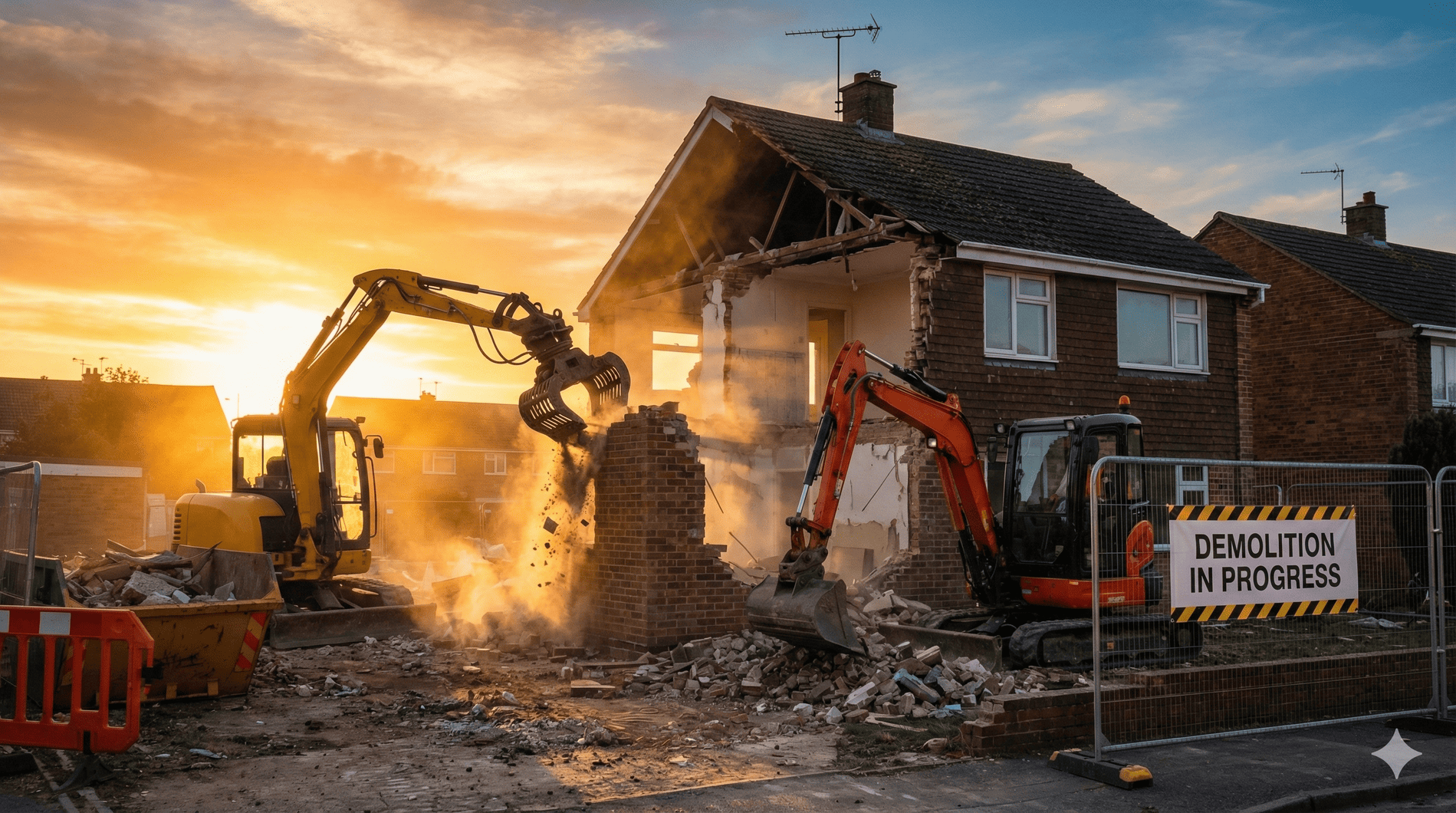
How to demolish a house with mini excavators and save on costs
Remodeling a property might make destruction terrifying. Would you be able to save money by maybe managing that process? Mini excavators are beginning to come up. Professionals, do-it-yourselfers, and amateurs are destroying houses using other demolition equipment instead of mini excavators’ agility and force to simplify and accelerate even the hardest demolition projects.
Demolition using a mini excavator offers several benefits. Residential application fits them, as it allows in small areas where larger equipment cannot. Their adaptability also helps you to manage different materials. Compared to more traditional techniques, using compact excavators for demolition lowers labor costs.
Essentials of Demolition
Demolition is a transforming process that changes our surroundings in the middle of metropolitan settings, where tall skyscrapers and mini cottages coexist. Imagine standing before an ancient house and seeing the fresh opportunities it may present—more room for modern houses, community parks, or energetic business districts.
Still, destroying a home doesn’t have to break the budget—even if it seems difficult. Strategic use of small excavators can help you to quickly destroy buildings and greatly save expenses.
Why Choose Mini Excavators for Demolition?
Small Size for Limited Areas
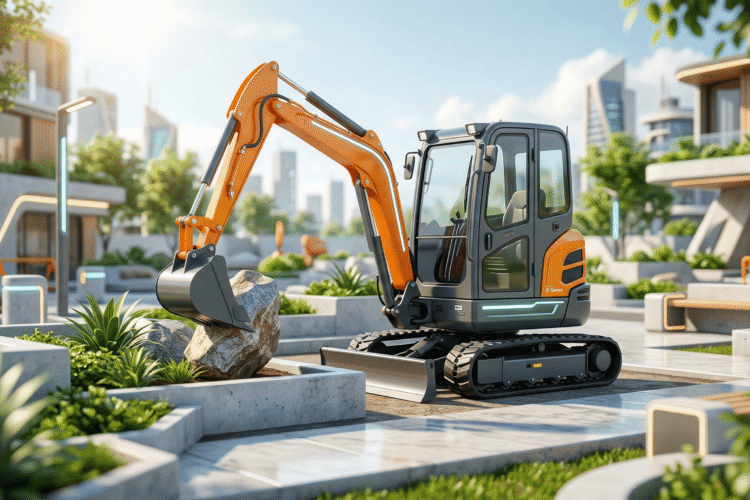
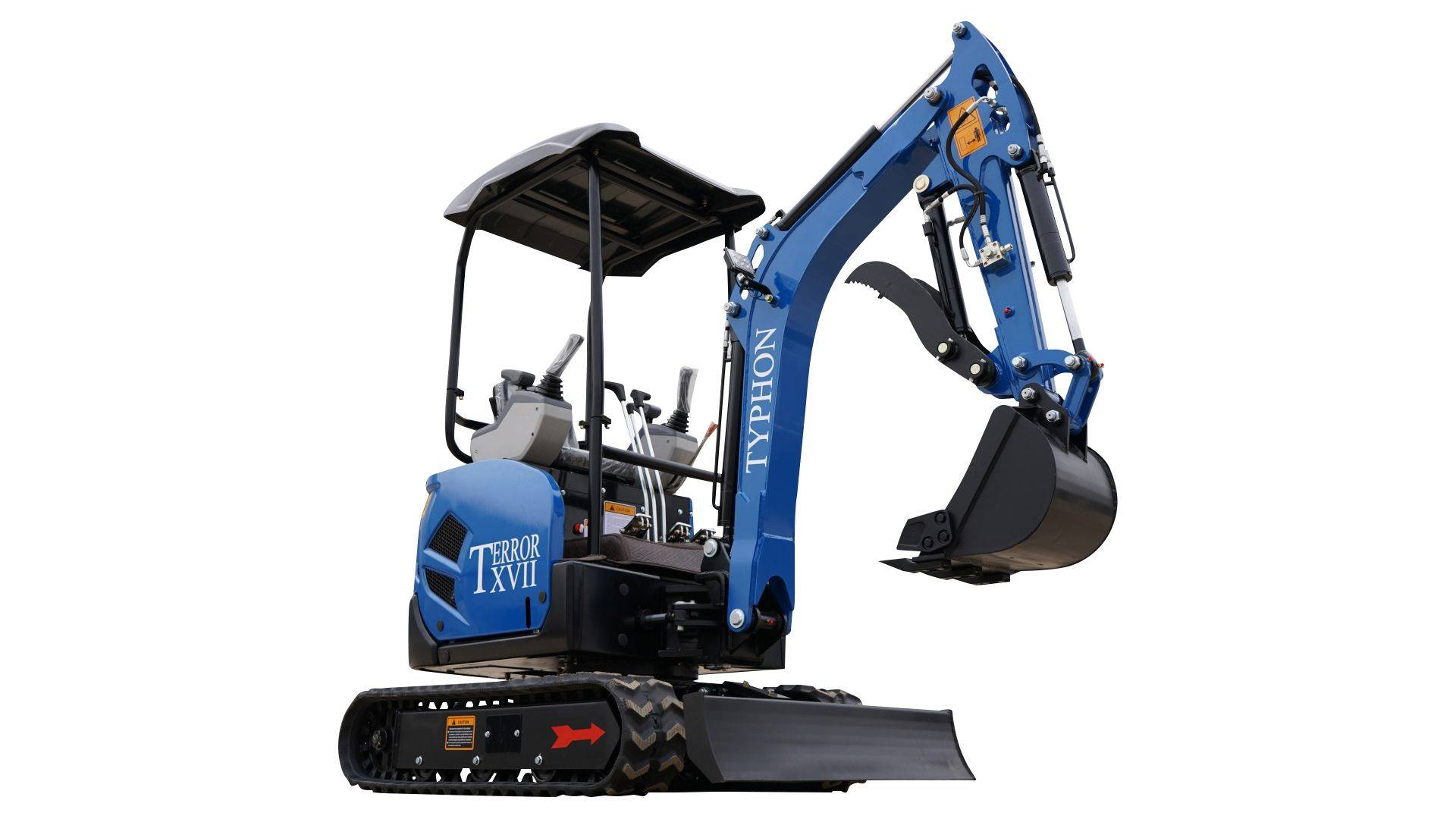
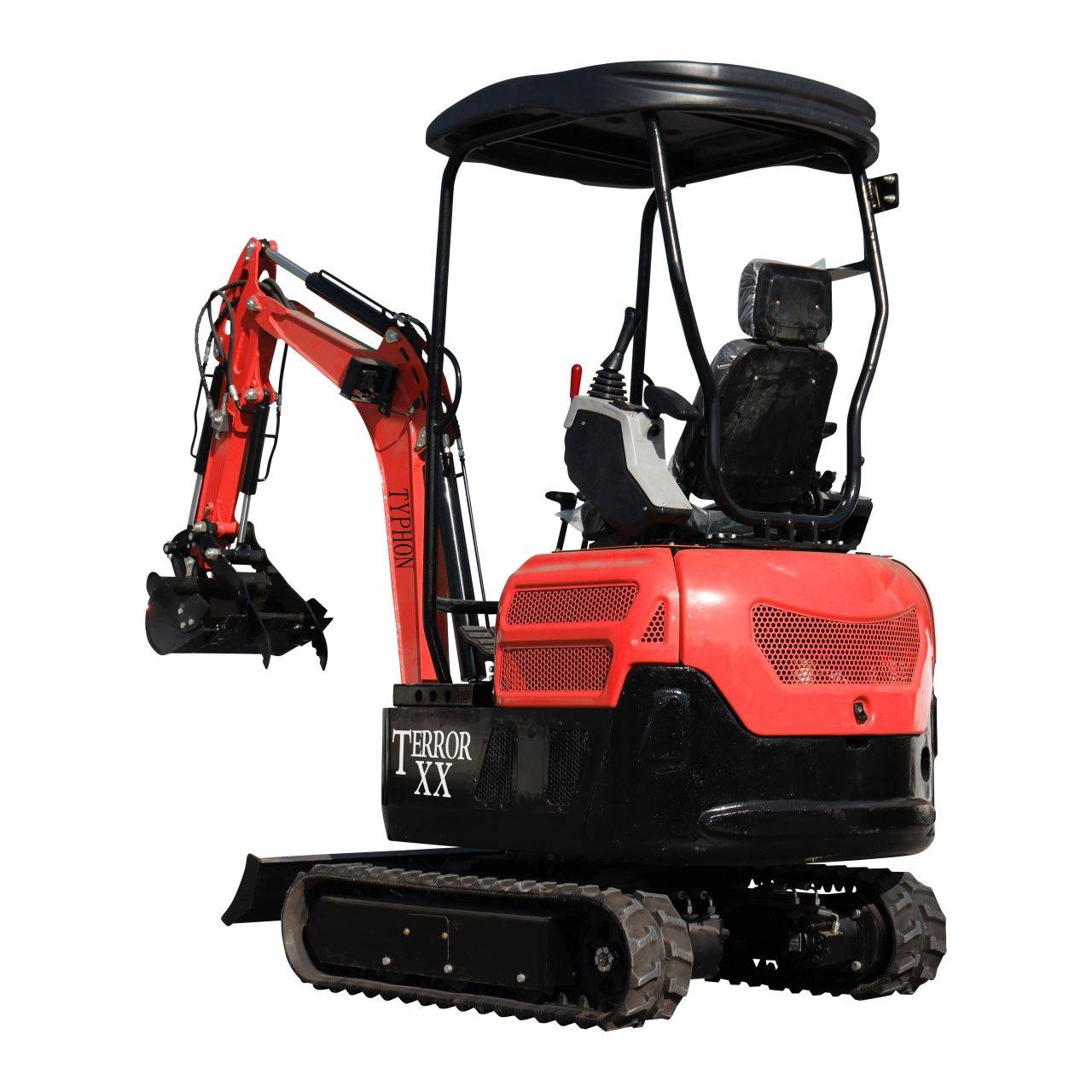
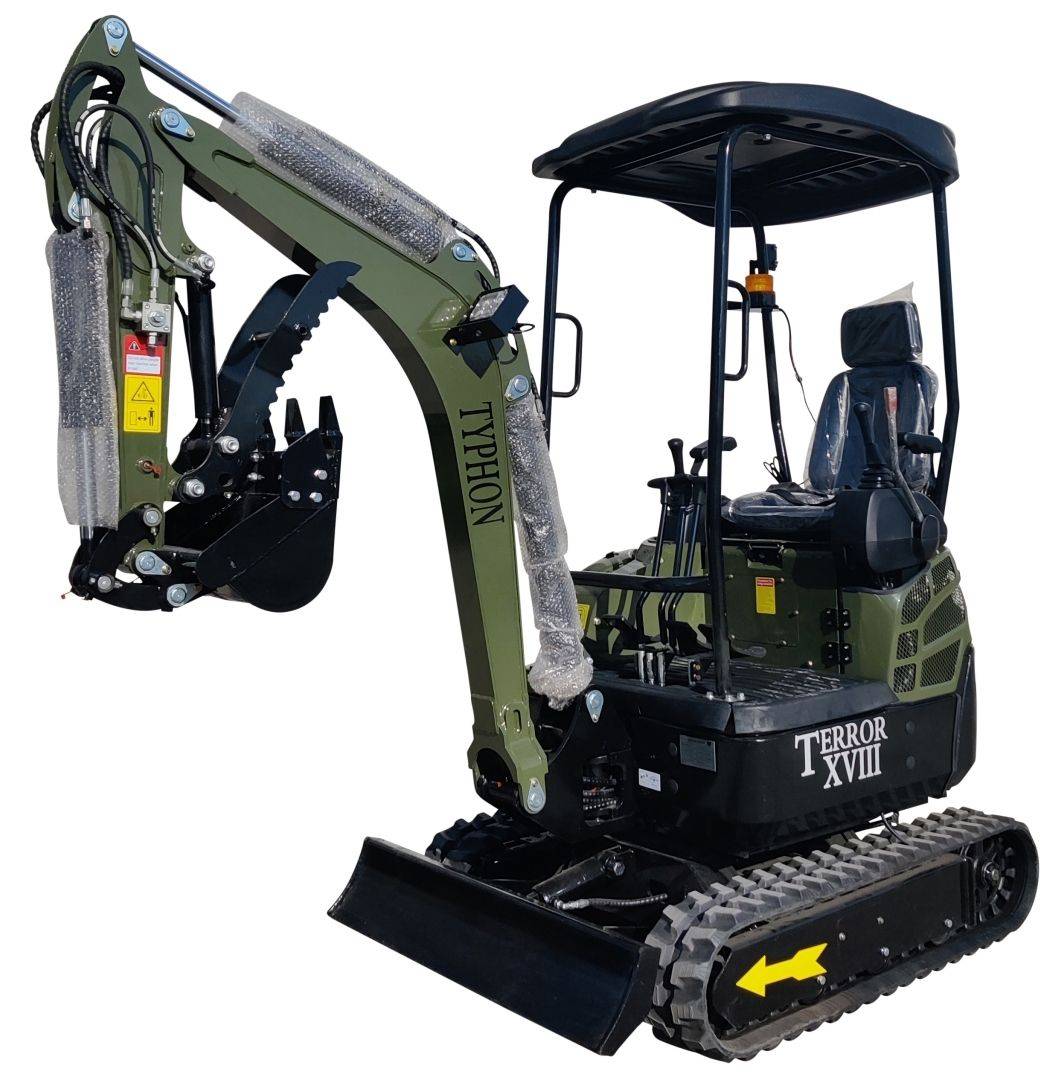
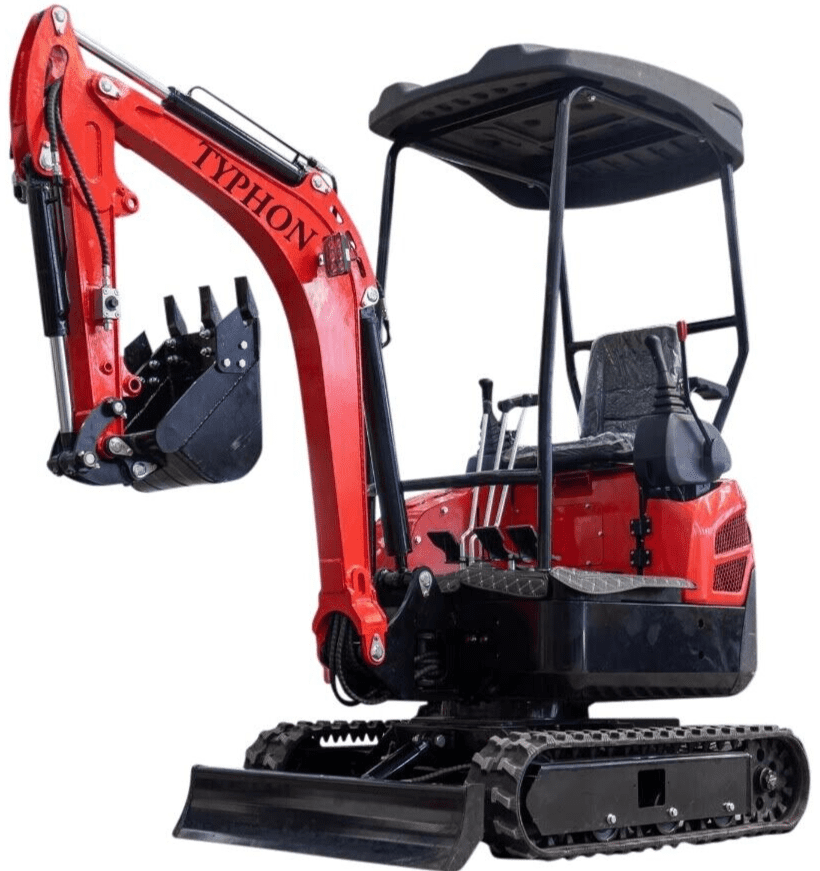
One of the most tempting aspects of micro excavators used in home demolition is their small scale. Urban or suburban residences with nearby neighbors would find these devices perfect, as they can access confined areas that bigger equipment cannot reach.
For instance, a tiny shed next to a fence or working around delicate landscaping becomes doable with a little excavator. Their perfect mobility helps to solve house demolition-related issues and lowers the possibility of harming nearby buildings.
Flexibility Using Attachments
Mini excavators, being very versatile, are the right tool for home demolition. With the help of a variety of attachments, they can perform tasks from breaking a concrete slab to transporting the waste.
These machines are equipped with everything necessary for different demolition tasks. In case your project requires a hydraulic breaker for the removal of brick walls or a bucket for excavation, the machines are ready. Specialized attachments for home improvement tasks make the process easy and save time and labor.
Cost Control and Minimal Labor
Choosing small excavators will make a huge difference in lowering the labor costs that go hand in hand with conventional demolition methods. Their multifunctionality and efficient work are the main reasons for fewer workers being needed at a site. This process in turn accelerates the project schedules and lowers the payroll costs.
For example, a micro excavator for heavy lifting and trash cleaning allows most jobs to be done by one machine and operator; thus, the need for several teams is eliminated. People who are budget-conscious or do-it-yourselfers that are looking for professional results without spending too much will find this way of resource efficiency very attractive.
Crucial Tools and Equipment
Choosing the suitable little excavator
The choice of the appropriate mini excavator determines whether home destruction goes well. Small excavators of several types abound, each tailored for a certain project size. Understanding the requirements of your project will help you to choose the best one.
Maximizing Effectiveness Using Attachments
The right attachments can help your project be lot more successful. Typical decisions are buckets for regular excavation and hydraulic breakers for managing brick or concrete constructions. From large trenching designs for major material removal to minute variances for exact work near foundations, excavation buckets vary in size. On the other hand, hydraulic breakers, when demolishing concrete walls or patios, save time and effort over manual tools. Every attachment helps in various ways to improve the safety of demolition operations.
Giving it top importance. Demolition Safety
Safety is the primary focus throughout the demolition process. By means of comprehensive instruction on equipment usage and safety practices, workers must use the appropriate protective gear—hard helmets, goggles, gloves, and steel-toed boots—that further lowers the risk of accidents. Improved safety precautions are very essential for maintaining workers’ health in older buildings, including those with possible dangers like lead paint or asbestos.
Excellent Waste Management Strategies
Outstanding A waste management system using the latest technology plays the most crucial part in demolition, but it is often an overlooked component of demolition activities. Reducing landfill contributions and using designated containers for recyclable materials like metal and wood might help support environmental sustainability and save money. Organizing rubbish during removal and following local building waste regulations helps ensure compliance and simplifies the cleaning task.
Planning Your Demolition Project
Analyze Your Property Completely
Carefully assessing your property can help you to identify your particular requirements before beginning your demolition job. This include evaluating the state of the building, spotting safe locations for destruction, and indicating utilities that may need to be turned off beforehand. For example, knowing how these components link to utilities helps you avoid expensive mishaps if you want to remove a backyard shed along with some inside walls. A good demolition job depends on a comprehensive study laying the foundation.
Safe Essential Authorization
after local rules depend on getting the necessary permissions after an evaluation of your property. Even for little operations like demolishing a carport, different towns might have specific regulations for residential demolitions. Early contact with your local building authorities can help you to prevent penalties or redoing of finished projects. Sometimes engaging experts versed in local legislation may save time and eventually save labor expenses.
Create Your Budget And Timeline
Effective management of your demolition project depends on establishing a reasonable budget and schedule. Starting with preparation—property appraisal and permit acquisition—then working through execution—actual demolition—breaks the process into doable segments. Account for any delays like equipment inaccessibility or adverse weather. List predicted expenditures for budgeting—mini excavator rental fees, trash disposal prices, extra tools—to keep financial clarity all through the job.
First Priority Safety
If you are doing it yourself, think about assigning friends or relatives to be informal workers. This will help to cut labor expenses and enable the process to be more fun. Still, make sure everyone engaged runs little excavators and follows the best guidelines for wearing the necessary safety gear. Your house demolition job might be ideal and reasonably priced with careful preparation and a safety focus.
Effective Demolition Techniques
Techniques of Demolition for Small Structures
Regarding demolition of buildings, the method usually relies on their scale. Start modest construction like sheds or garages by eliminating non-structural components such as windows, doors, and fittings. This phase provides better access and reduces flying debris during the main demolition process. Simplifying the process, a small excavator fitted with a bucket attachment may rapidly destroy walls and tidy waste.
Strategies for Greater Architectural Designs
Bigger buildings need a more deliberate, step-by-step approach. Strip complex components first, then methodically collapse bigger chunks. Always work from the top down to guarantee under-control collapses. This strategy guarantees the project runs in a disciplined way and reduces risks.
Giving top importance to security
Any demolition job, but particularly when handling dangerous items or trash, safety is paramount. Make sure everyone on-site does the same and always use appropriate safety gear—hard hats, gloves, and respirators. Particularly while handling hazardous materials like asbestos, adequately gather trash using tarps or containers. Using community disposal services also helps guarantee responsible handling of hazardous items and aids in saving waste-hauling expenses.
Running a small excavator effectively calls for more than just simple maneuvering ability. By routinely checking the equipment and following maintenance plans, you may reduce fuel use and prevent too much wear. Use the attachments of the excavator carefully; for concrete slabs, for instance, a breaker will save a great deal of time and work instead of a bucket.

Developing a budget for demolition projects
Any demolition project depends critically on budgeting. Knowing the expenses of labor versus equipment use helps builders and homeowners distribute money wisely. This not only lessens budgetary burden but also guarantees never compromised safety and project effectiveness.
Strategic Vision for Success
These clever techniques will enable you to do demolitions with amazing precision and protect your budget and health at the same time. Good and rapid house repairs rely on strategic planning and using the suitable right-sized tools—mini excavators included.
Cost-Saving Strategies
Mini Excavator Renting Options
Investigating rental possibilities is one of the most efficient ways to save costs when deciding to destroy a property with mini excavators. Particularly for longer leases, several equipment leasing businesses provide reasonable pricing. Investigating local bargains may help you locate well-kept equipment for a fraction of the price of buying brand-new models. Some companies also provide package agreements including required accessories like breakers and buckets or reductions during off-peak seasons, therefore enabling significant savings without sacrificing quality.
DIY Way Demolition Against Professional Employment
Another important analogy is the expenses of skilled labor vs. do-it-yourself devastation. Assuming the task yourself will enable homeowners to save labor expenses and provide them with the required equipment and knowledge from a practical remodeling project. You should, however, fairly evaluate your ability; can you run a tiny excavator safely? Have you handled dangerous or trash products? Involving experts even at greater initial expense would be more sensible in case of safety issues or project complexity. Get many quotations from builders to guarantee you pay the best price, as understanding of the local market will greatly affect costs.
Recycling Materials: Salvaging
During the building phase, recyclable goods recovery should not be undervalued, neither from a financial nor from an environmental point of view. As by-products of the household project, bricks, wooden beams, and fittings that are often sold for the original expenses offset may be restocked for the next refurbishments. For flooring or furniture that makes your new room unique, salvaged wood from walls can be turned into Besides the money savings, the use of recycled products contributes to the implementation of the environmental initiatives in the construction sector.
Strategic Plan for Success
The financial savings of this kind demonstrate the extent to which the house demolition strategic plan influenced the budget. Thoroughly considering the different working tools, mixing DIY activities with professional help, and following eco-friendly routines can equip you to deal with the heavy-duty task in a financially responsible manner.
Common Pitfalls to Avoid
Identifying Possible Mistakes in Mini Excavator Home Demolitions
Careful recognition of the issues that may cause the rise of the cost or the drop of the safety level is a necessary preliminary step when one is about to start a house demolition project with mini excavators. It is a common mistake to underestimate the difficulty and the work scope when one erroneously thinks so. For instance, an attempt to tear down a larger building without a solid grasp of its materials and dimensions may quickly lead to higher costs and dangerous consequences. Hardly any homeowner gets ready for the challenge of such a situation as reinforced concrete or structural features requiring a specific type of installation where usual mini-excavator tools are insufficient.
Value of Effective Site Development
Site preparation is one of the major elements that can be found in the demolition operations, but usually it is neglected. Homeowners are expected to thoroughly examine the area before the excavation operations commence. This activity ensures that all utilities are not only turned off but also accounted for.
Key “Don’ts” for Mini Excavator Operation
Mini excavators employed in the construction of homes demand the user’s knowledge of the most basic safety precautions. A lot of people wrongly assume that the small scale of the operations gives the device an infinite range of motion. In reality, performing tasks in confined spaces without taking all the safety measures necessary might lead to the assault of the neighboring objects—such as fences and trees—which can either break or be scratched. Newbie operators are much more susceptible to inadvertently hitting surfaces or colliding with them and getting hurt because they fail to follow the joint restrictions when they swing heavy objects and they do not leave enough clearance.
Reducing Risks with Organization and Execution
The major risks that come with the use of mini excavators during home demolition projects can be minimized, on the part of the homeowners, through avoidance of misjudging the scope of the project, improper site preparation, and bad operating practices. Along with the provision of safer environments, thorough planning and skilled implementation also result in better management of finances, thus leading to more efficient and effective renovation projects.
Hence, the mini excavator’s importance is proved!
Mini excavators are able to offer small access, great versatility, and low labor costs. As a result, they can both simplify and reduce the overall expenses of a house demolition. We are in favor of home improvements that are not only safe but also within the reach of anyone’s pocket. Planning plays an important role here; familiarizing oneself with the steps will definitely bring better results. Keep in mind that well-executed DIY demolition works strongly rely on thorough site assessment and proper debris management. Given that everything is in place, you are very likely to fulfill your dream within the sum you have planned to spend.