What is a mini excavator? Unlock the secrets of compact power in our 2026 guide!
What is a mini excavator? The Ultimate Guide to Compact Power 2026
The construction industry is quickly moving toward more accuracy and efficiency. If you’ve ever been to a modern job site, you’ve probably seen a small, quick machine easily digging trenches or moving around a small backyard. This is the mini excavator. So, What is a mini excavator? People often call it a “compact excavator,” and it has become a must-have for contractors, landscapers, and farmers.
In this detailed guide, we’ll look at what a mini excavator is, how it can be used in many different ways, and why it might be the best piece of equipment to add to your fleet at Machinery.online.
What is a Mini Excavator? It’s a small, strong machine
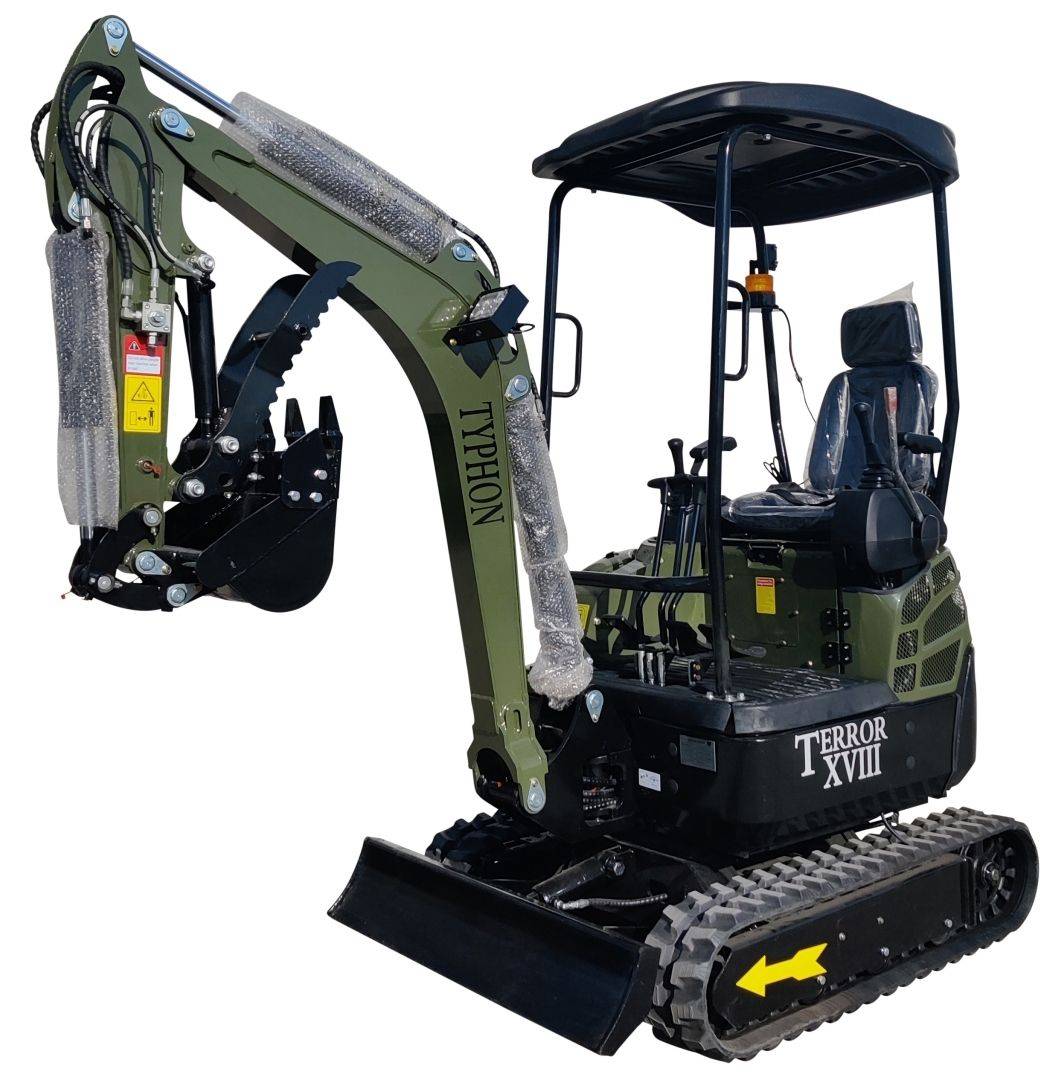
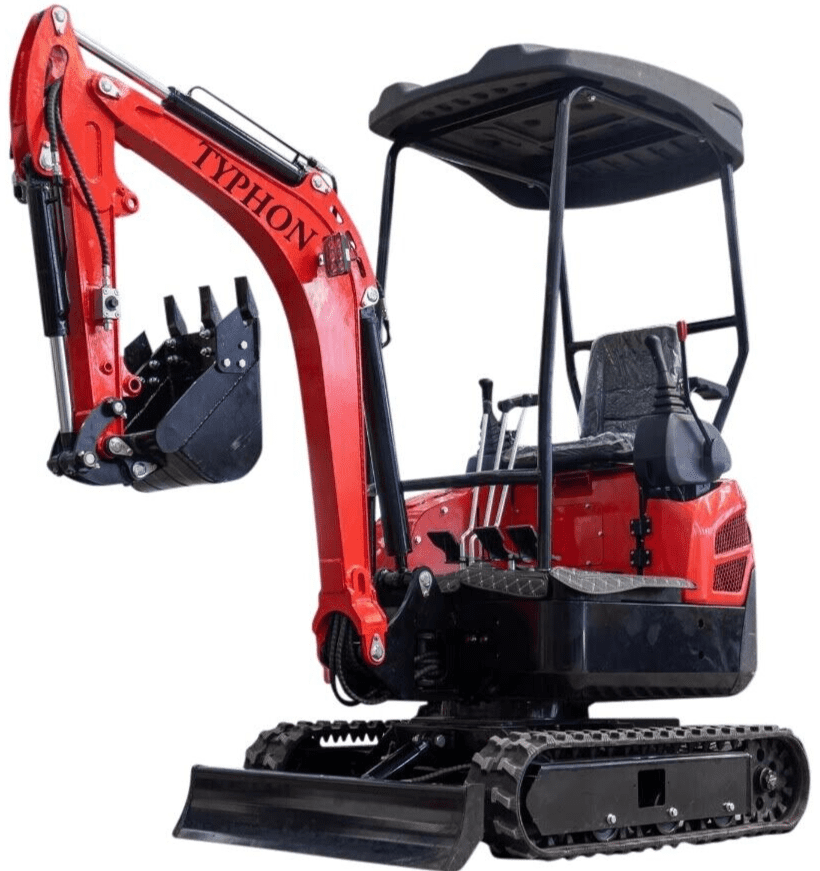
A mini excavator is a vehicle with tracks or wheels that weighs between 0.7 and 6 metric tons when it is in use. Some companies use the term “midi” excavators to describe machines that weigh up to 10 tons.
However, the main thing that makes a mini excavator a mini excavator is its small size. The mini excavator is different from its bigger cousins that are used in heavy mining or building highways on a large scale. It is made to be easy to move and put less pressure on the ground.
- Weight Class: Usually less than 4,535 kg (9,999 lbs), which means it can be moved on a regular trailer without needing special heavy-haul permits.
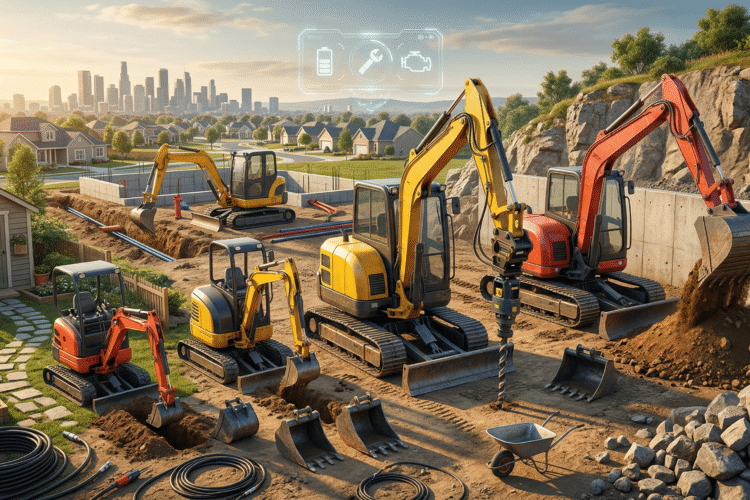
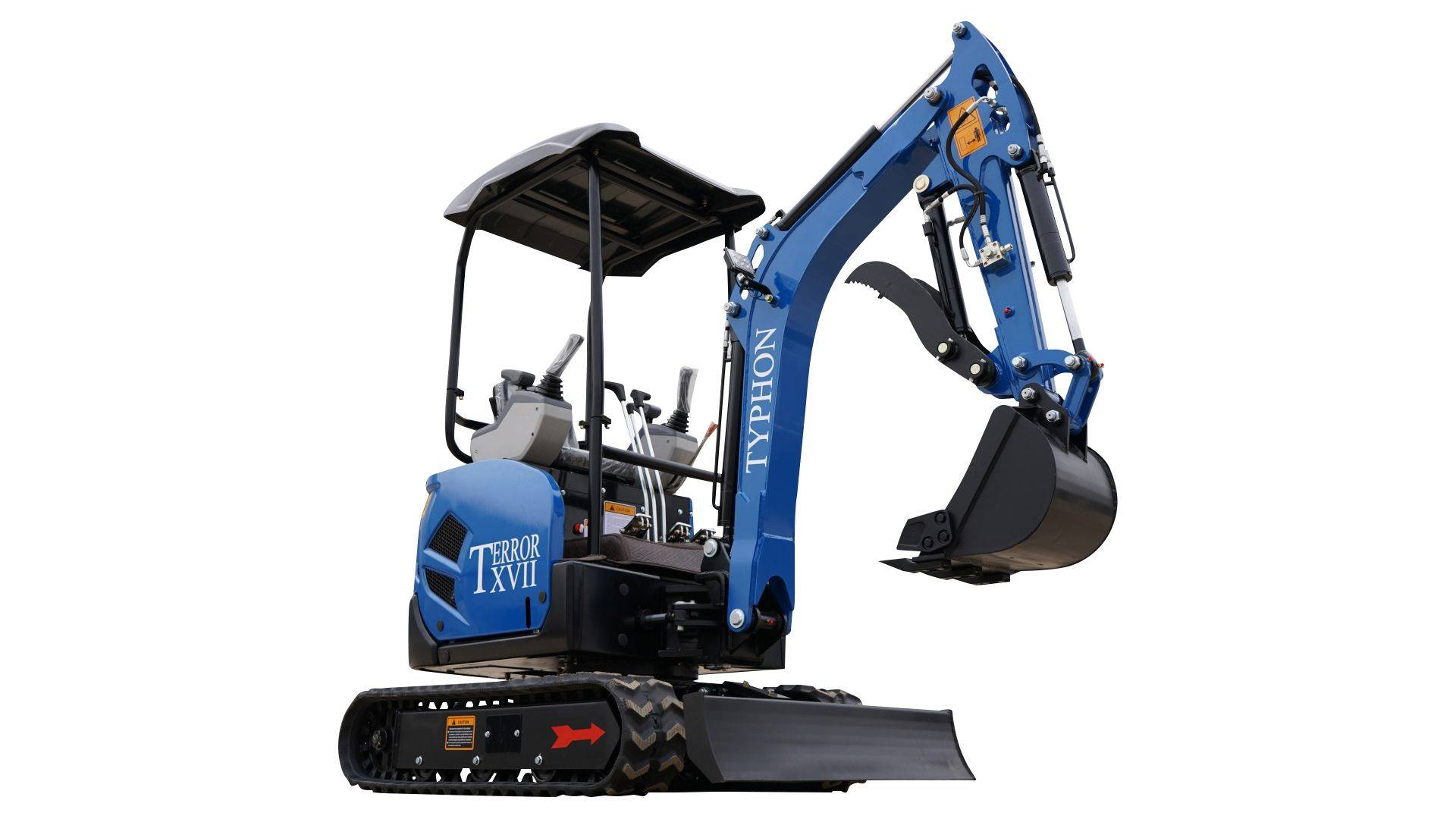
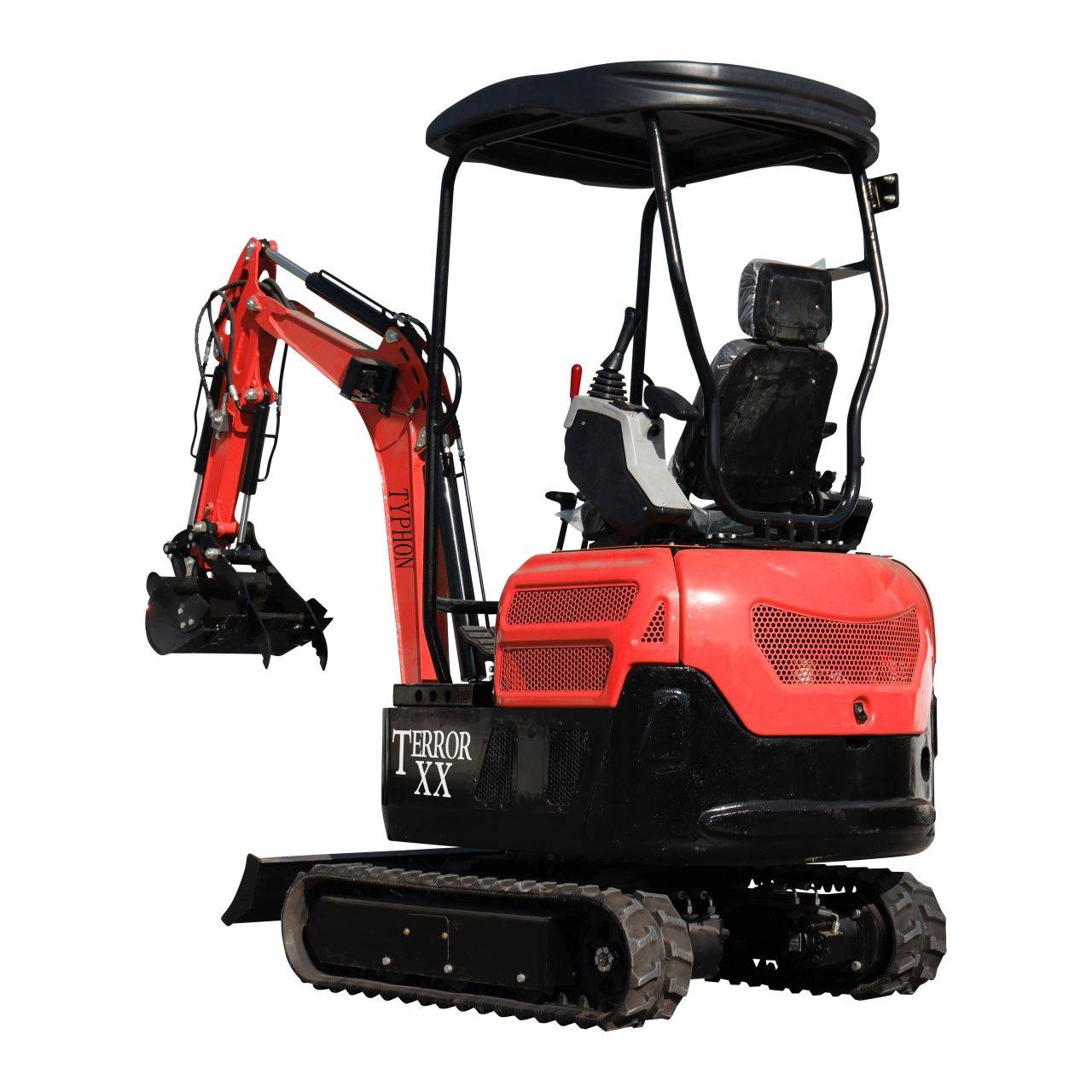
- Main Parts: It has a standard undercarriage, a house (cab and engine), a boom, a dipper stick, and a bucket.
- Tail Swing Options: Most modern units have “Zero Tail Swing” (ZTS), which means that the back of the machine stays within the width of the tracks while it turns. This keeps walls and other structures from being damaged by accident.
Important Technical Details of Mini Excavator
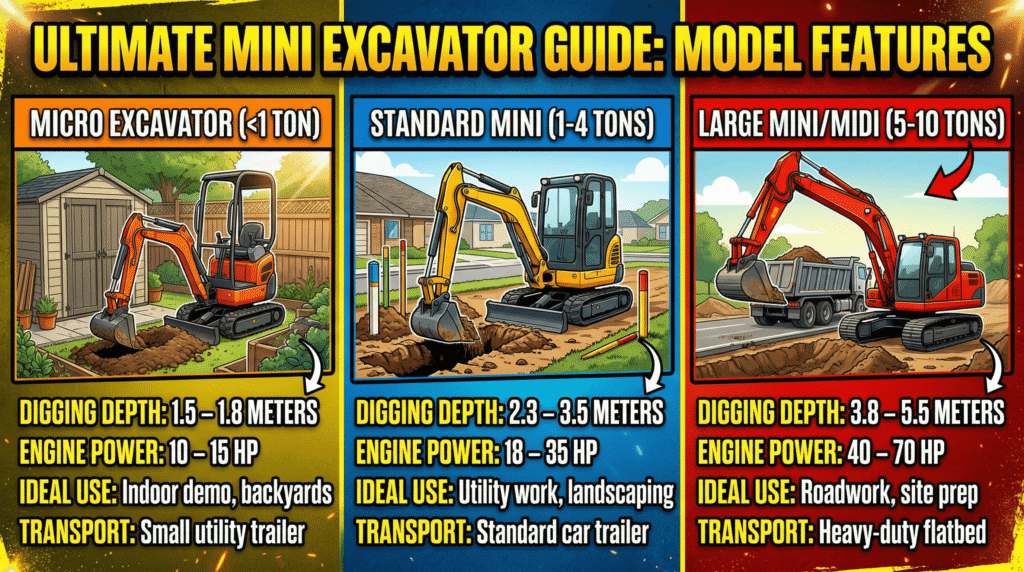
To find the right machine for your project, it’s important to know the specifications when you look at these machines. Here is a table that compares some of the most talked-about models in the industry for 2026.
Table: Mini Excavator Model Features
| Model Feature | Micro Excavator (<1 Ton) | Standard Mini (1-4 Tons) | Large Mini/Midi (5-10 Tons) |
| Digging Depth | 1.5 – 1.8 Meters | 2.3 – 3.5 Meters | 3.8 – 5.5 Meters |
| Engine Power | 10 – 15 HP | 18 – 35 HP | 40 – 70 HP |
| Ideal Use | Indoor demo, backyards | Utility work, landscaping | Roadwork, site prep |
| Transport | Small utility trailer | Standard car trailer | Heavy-duty flatbed |
Many Uses: Not Just for Digging
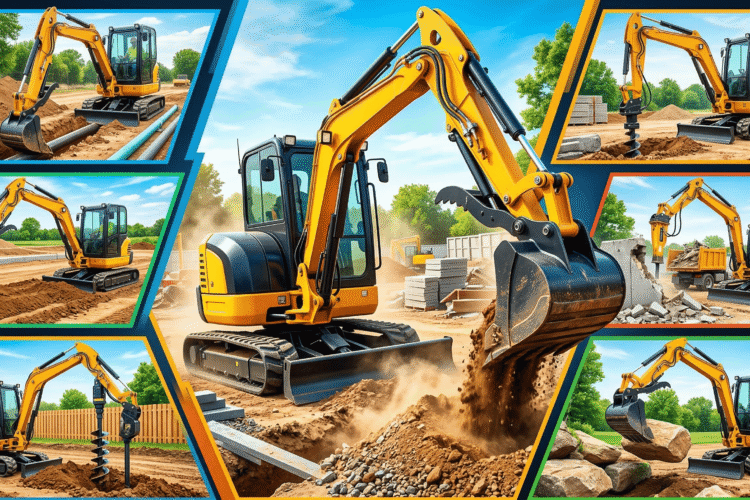
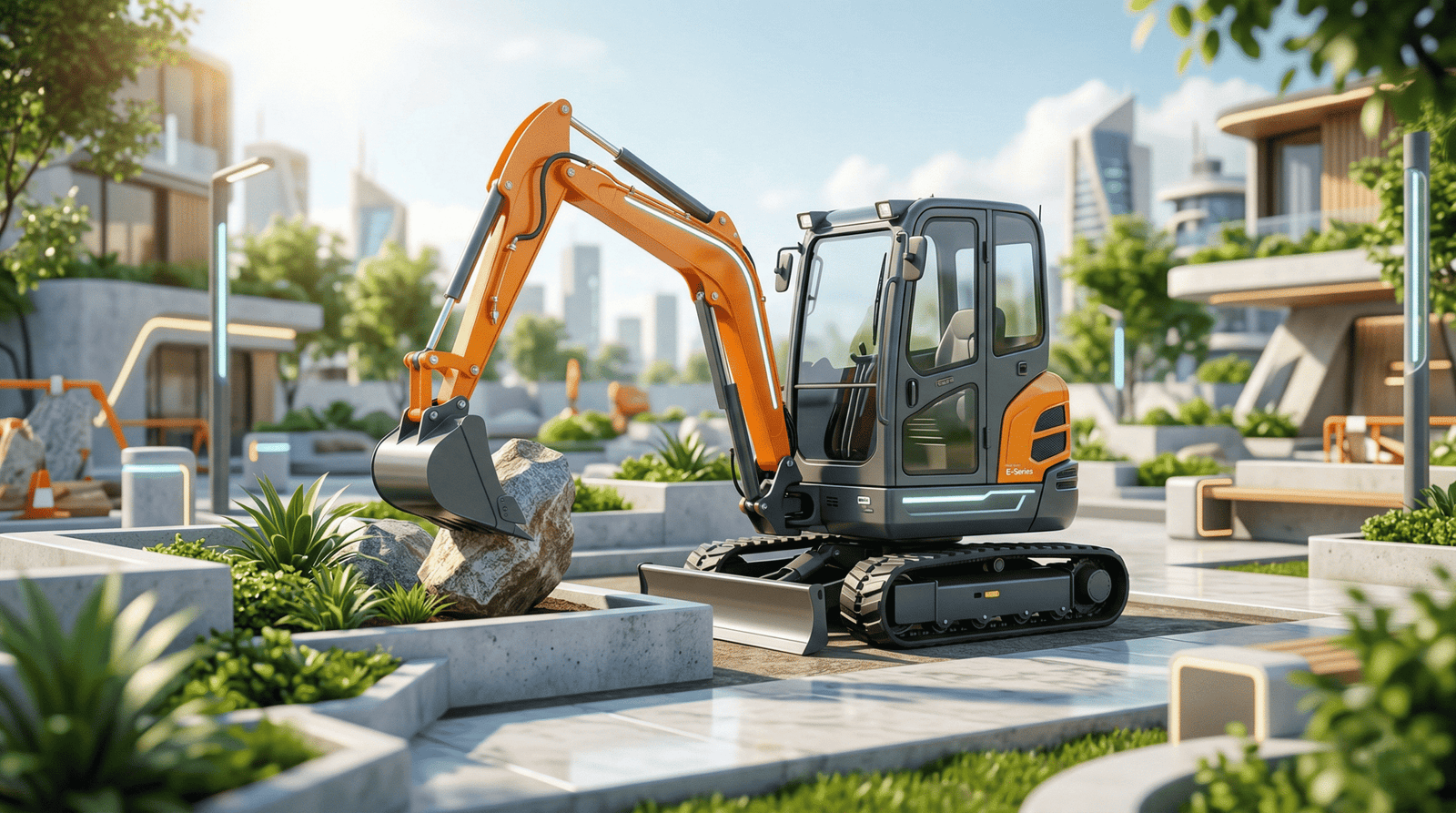
The best thing about a mini excavator is how useful it is. With quick-coupler systems, an operator can switch from a digging bucket to a hydraulic breaker in just a few minutes. It can do a lot of different things, which is why it’s called the “Swiss Army Knife” of the construction world.
- Landscaping for homes: Great for digging ponds, getting rid of tree stumps, or leveling soil for new lawns without damaging driveways that are already there.
- Utility and Trenching: Great for putting in fiber optic cables, water pipes, or electrical conduits in crowded cities.
- Demolition Projects: These tools are small enough to fit inside buildings and gut them, but they are also strong enough to break through concrete floors with hammer attachments.
Why pick a mini excavator instead of regular equipment?
A lot of project managers are getting rid of their backhoes and full-sized excavators in favor of smaller ones. It’s not just the size that matters; it’s also the total cost of ownership and how well it works.
- Less Damage to the Site: Because they are light and have rubber tracks, they don’t leave much of a mark on finished surfaces like asphalt or well-kept grass.
- Easy to move: You don’t need a semi-truck to move a 3-ton machine. A heavy-duty pickup truck and a trailer with two axles are usually all you need.
- Fuel Efficiency: Smaller engines use a lot less fuel, and in 2026, there has been a huge rise in electric and hybrid models that don’t need any fuel at all for indoor work.
Longevity and Maintenance
A strict maintenance schedule is needed to make sure that your investment from Machinery.online lasts. These machines often work in tight, dusty, or muddy places, which puts unique stresses on their parts.
- Taking care of the undercarriage: When it comes to taking care of the undercarriage, it is important to clean the tracks on a regular basis. This will prevent dirt from accumulating, which may lead to the sprockets and idlers wearing out too rapidly.
- Hydraulic System Leaks: Leaks in the Hydraulic System On a daily basis, you should check the hydraulic system for any leaks. Due to the fact that the high-pressure hoses of mini excavators are often bent in confined spaces, it is necessary to inspect them frequently.
- Greasing Points: It is imperative that you thoroughly grease each and every pivot pin on the boom and bucket on a daily basis. This will prevent metal from rubbing on metal, which will save you money on replacements that are more costly and need pins and bushings.
The 2026 Tech Revolution: Smart and Electric Features
2026 will be a big year for small machines. We are moving away from fleets that only use diesel and toward “Smart Excavators” that use telematics and power sources that are good for the environment.
- Electrification: Battery-powered micro excavators are increasingly the standard for “quiet zones” in cities and interior projects where exhaust emissions are not permitted.
- Telemetry Integration: New machines may communicate information to your phone in real time. This lets you know when the gasoline is low, when servicing is required, or when someone is moving without authorization (anti-theft).
- Grade Control: GPS-guided drilling is no longer only for big machines that weigh 30 tons. Mini excavators now incorporate semi-autonomous grading to make sure the depth is always appropriate.
Frequently Asked Questions: Answer to What is a mini excavator?
What will it cost to rent or buy a mini excavator in 2026?
A new mini excavator usually costs between $25,000 for a micro model and $95,000 for a high-end 6-ton model. Rental prices usually range from $250 to $500 per day, depending on the size and attachments.
Will a mini excavator fit through a regular door?
Yes, micro excavators (less than 1 ton) often have undercarriages that can be pulled back to make the machine about 28–30 inches wide, which lets them fit through standard interior doors.
What is the difference between a skid steer and a mini excavator?
Both are small, but a mini excavator is made for digging and reaching things with precision thanks to its 360-degree swing. A skid steer is better for moving, pushing, and lifting things around a site.
How long do mini excavators last?
If you take good care of it, a diesel mini excavator can last between 8,000 and 10,000 hours. The undercarriage and hydraulic hoses, on the other hand, usually need major service every 2,000 to 3,000 hours.
Do I need a special license to operate a mini excavator?
For private or small-scale business use on private property in most places, a regular driver’s license is enough. But for big businesses, you usually need an OSHA-compliant or regional “Competent Operator” certification.
Is it worth it to pay more for an electric mini excavator?
If you mostly work in residential areas with noise rules or inside buildings, the higher initial cost is often worth it because you can save money on gas and work 24/7 without getting complaints about noise.
What attachments do mini excavators use the most?
The digging bucket, the hydraulic thumb (for grabbing rocks and debris), and the auger are the three most important parts. Flail mowers and hydraulic hammers have also become very popular for clearing land in 2026.
In The End -An answer to What is a mini excavator? – A small machine can make a big difference
The mini excavator has a level of power and accuracy that manual labor can’t match, whether you’re a seasoned contractor or a homeowner who wants to take on a big DIY project. You can get the most work done for the least amount of money by choosing the right weight class and using the newest technology from 2026. Check out the newest listings and expert advice on Machinery.online to find the best small partner for your next job.