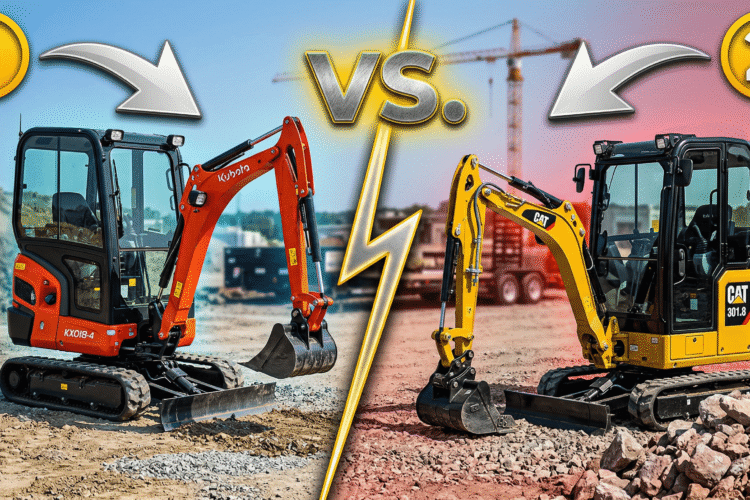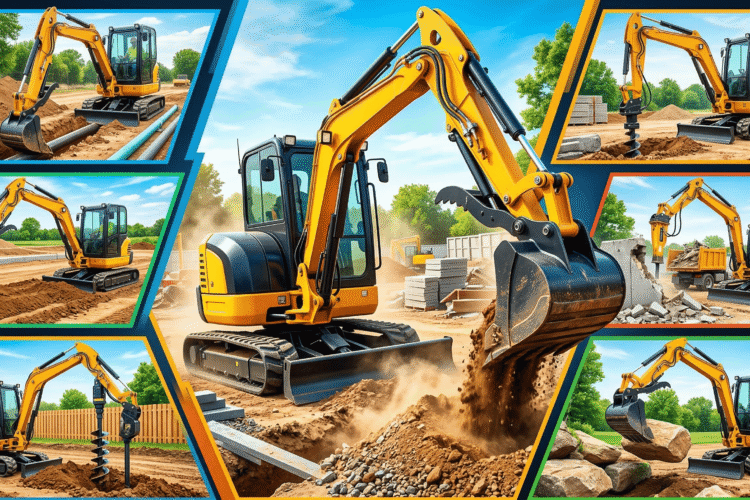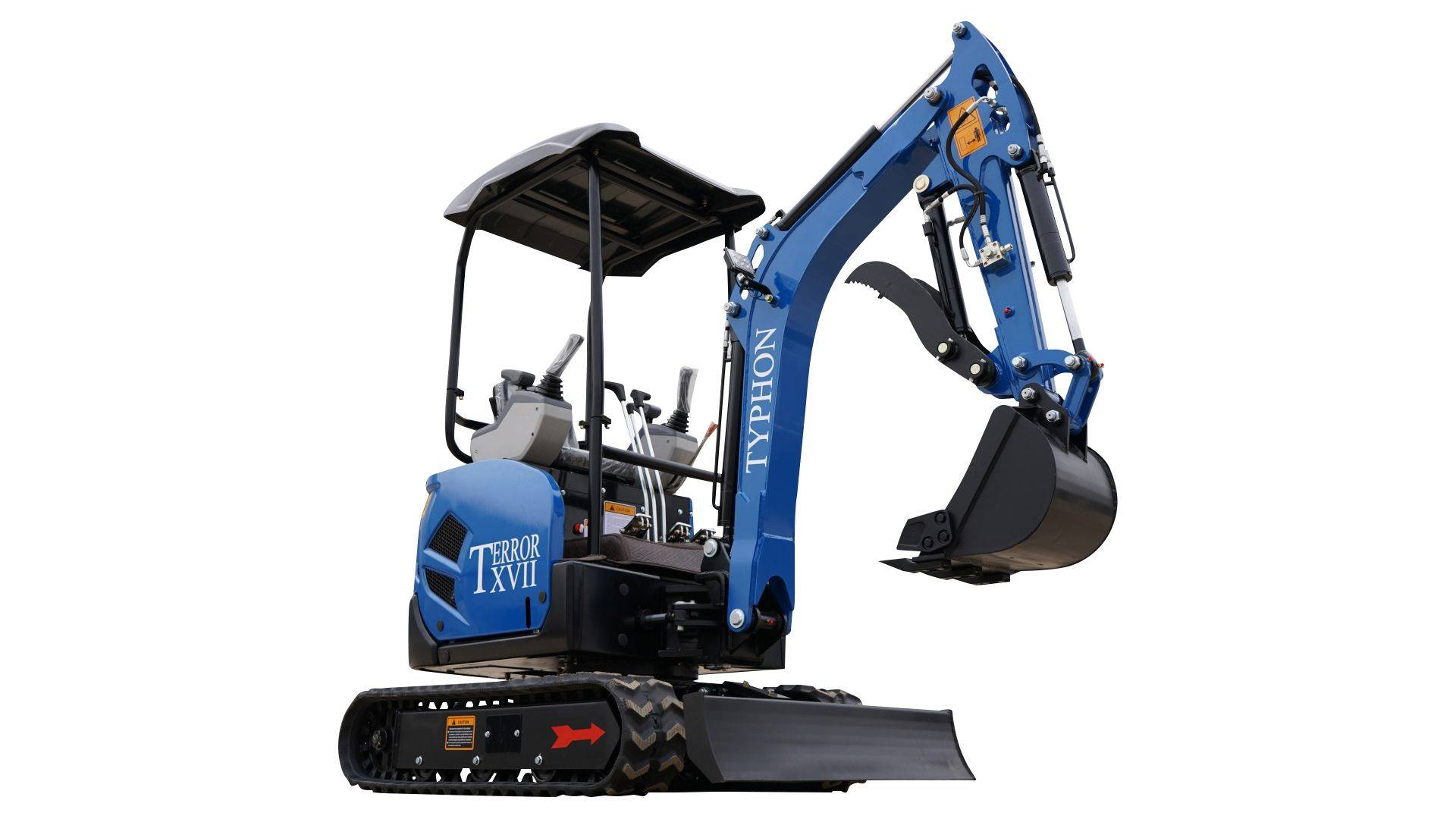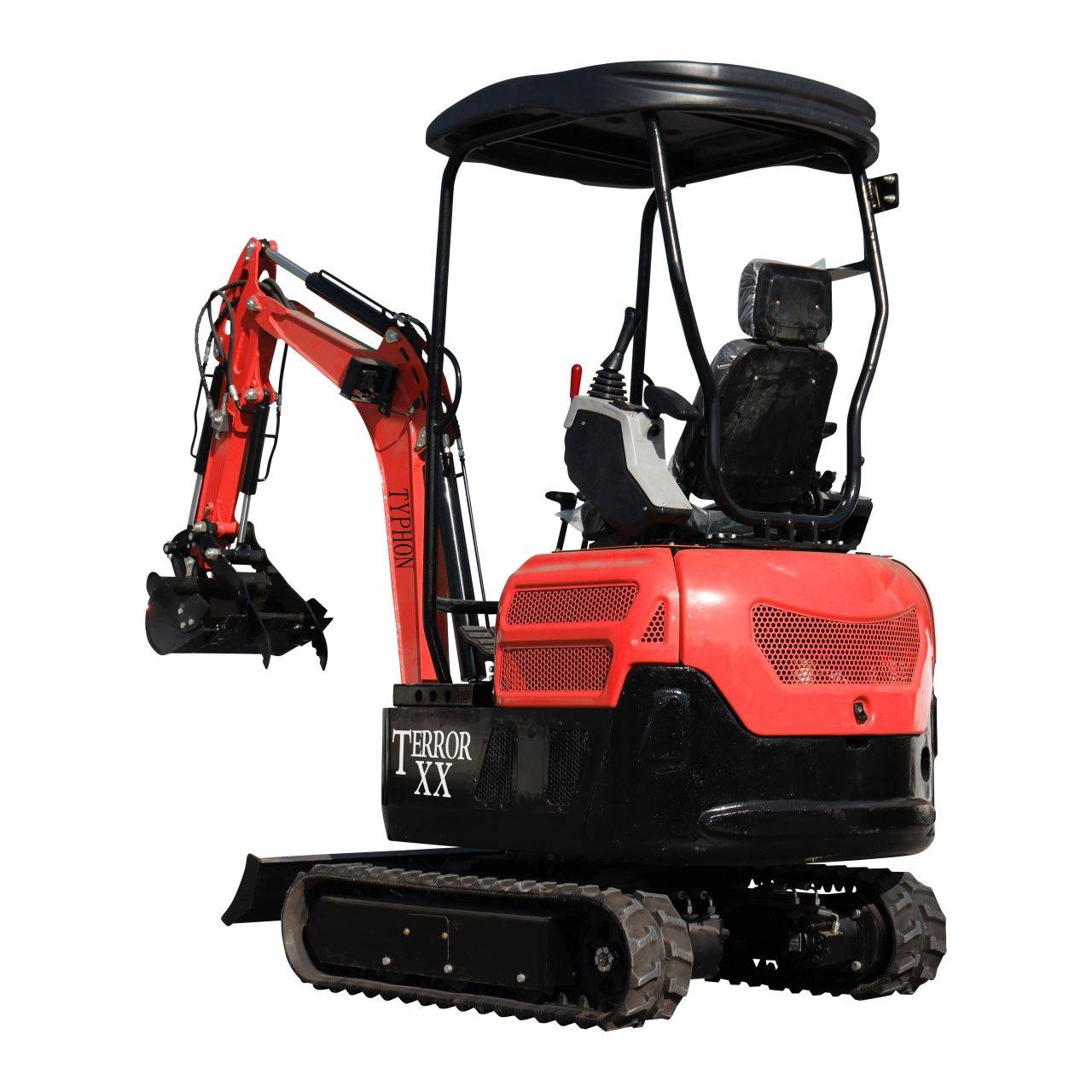
Types of mini excavators at your fingertips! Get performance insights!
The Ultimate Guide to Different Types of Mini Excavators: Performance, Sizes, and Expert Tips
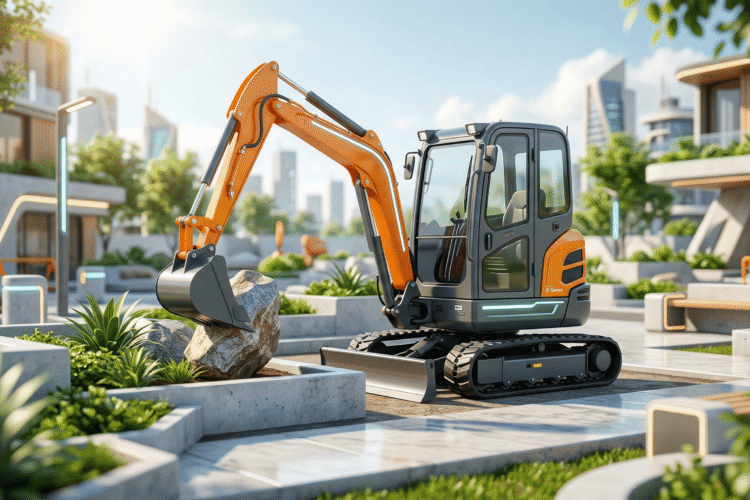
The construction industry is changing quickly, moving away from huge, fuel-hungry machines and toward smaller, more flexible, and efficient ones. Mini excavators are leading the way in this revolution. These machines are often called mini diggers or compact excavators. They are the most important tools for building cities, landscaping, and doing specialized farming work.
At Machinery.We know that picking the right tools can affect the timeline and budget of your project. It’s important to know what types of mini excavators are on the market if you want to dig a pool in your backyard or fix utilities in a narrow city alley.
This complete guide covers everything from tail-swing setups to weight classes, making it easier for you to find the best “compact warrior” for your next job.
What Makes a Mini Excavator a Mini Excavator?
Before we get into the different kinds, it’s important to know what makes a machine a “mini” excavator. Most hydraulic excavators that weigh less than 7 to 8 metric tons (about 15,000 to 18,000 lbs) fall into this group. These machines are built to have a lot of breakout force while still being small enough to fit through garden gates or work under low-hanging structures.
- Operating Weight: Usually between 1 ton (micro) and 8 tons (midi).
- Power Source: Most of them run on high-efficiency diesel engines, but more and more electric models are being made for indoor use.
- Versatility: Works with a lot of attachments, like augers, breakers, and thumbs.
1. Grouping by the way the tail swings
One of the best ways to group mini excavators is by how their tails swing. This is how far the back of the machine’s “house” (the rotating cab and engine compartment) sticks out from the tracks when it turns.
Excavators with Zero Tail Swing (ZTS)
In tight spaces, zero tail swing models are the best. The upper body stays within the width of the tracks while these machines make a full 360-degree turn.
- Efficiency on the Wall Side: Great for digging right next to buildings, fences, or walls without worrying about the back end hitting the structure.
- Urban Dominance: Great for busy city streets where you can’t afford to have a counterweight swinging into traffic lanes.
- Operator Focus: This makes the operator’s job easier because they don’t have to keep checking the rear clearance before swinging.
Excavators with a tail swing that are standard
Conventional models have a counterweight that sticks out a few inches or even a couple of feet beyond the tracks.
- Better Stability: The longer back acts as a natural counterbalance, which often lets you lift more weight and break out more force.
- Easier to maintain: Because the parts aren’t “crammed” into a zero-swing footprint, it’s often easier to get to the engine.
- Cost-Effective: They usually cost a little less than their specialized ZTS counterparts.
Excavators with minimal tail swing (MTS)
MTS models are in the middle. The tail only goes a little bit past the width of the track (usually less than 10%).
- Balanced Performance: It is more stable than a ZTS but easier to steer than a regular model.
- Wide Use: This is often used in residential landscaping where there isn’t much room but big rocks or logs need to be moved.
- Better Reach: Gives you a slightly better center of gravity for digging deeper.
2. Grouping by Undercarriage: Tracks vs. Wheels
The “shoes” on your excavator tell it where it can go and how much damage it will do. The undercarriage is one of the main things that sets different types of mini excavators apart.
a. Mini Excavators with Tracks (Crawlers)
Most mini excavators have tracks, which can be made of rubber or steel.
- Low Ground Pressure: Rubber tracks are perfect for finished lawns and pavements because they spread weight evenly and stop “turf scarring.”
- All-Terrain Grip: Tracks give you better grip on muddy, sandy, or uneven slopes where wheels might slip.
- Stability: A wider track base lowers the center of gravity, which is important when working on slopes.
b. Mini Excavators with Wheels
There are wheeled versions of “mini” vehicles, but they are less common. They are mostly used for municipal maintenance.
- High Mobility: They can go faster on paved roads, so they don’t always need a trailer for short trips.
- No Damage to the Surface: Wheels are easier on asphalt and concrete than steel tracks.
- Less logistics: It’s easier to “hop” from one repair site to another in a neighborhood or on a campus.
Technical Data: A Comparison of Popular Mini Excavator Models
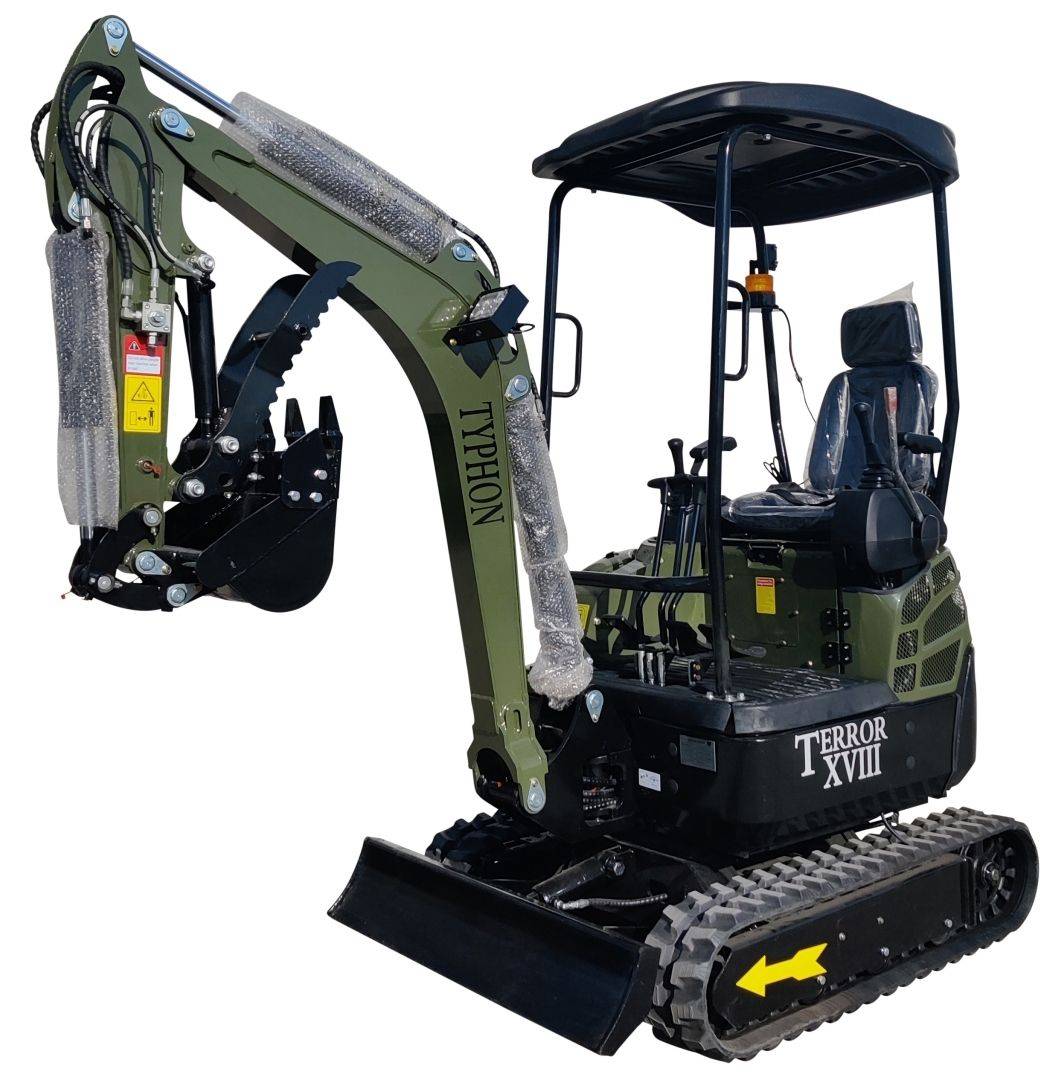
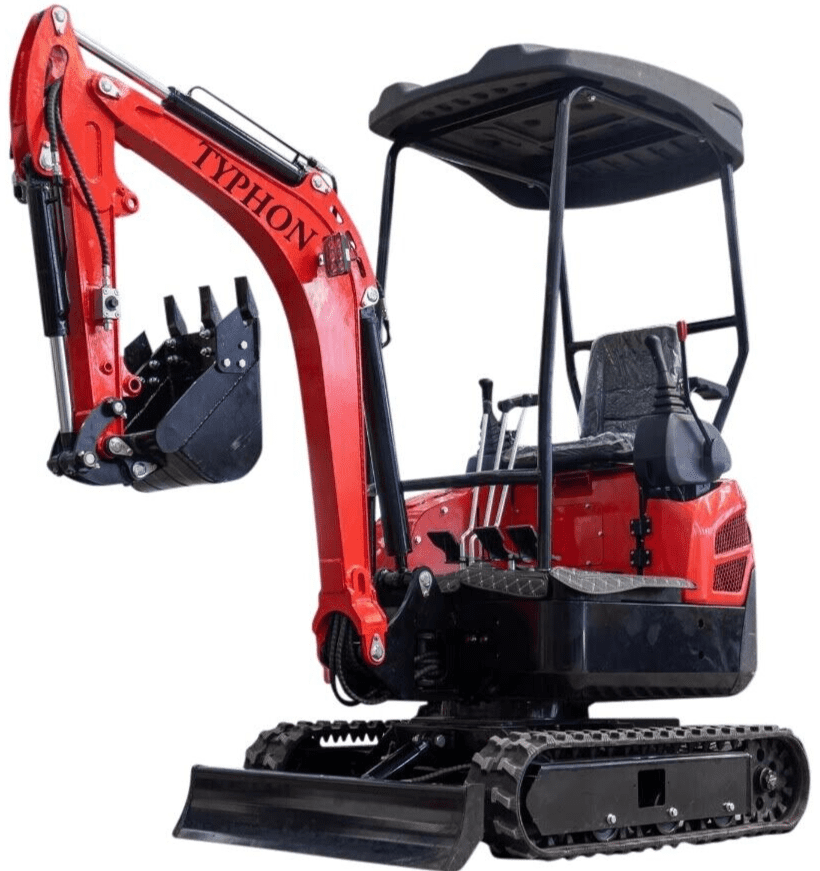
Based on the specific product lineup from TYPHON Machinery, the “STOMP” series primarily consists of mini skid steer loaders, which are often used alongside mini excavators (like the Terror series) for comprehensive site work.
While the “STOMP” models are technically loaders, they are frequently equipped with excavation attachments (augers, backhoes, and trenchers) to perform similar tasks in extremely tight residential and agricultural spaces.
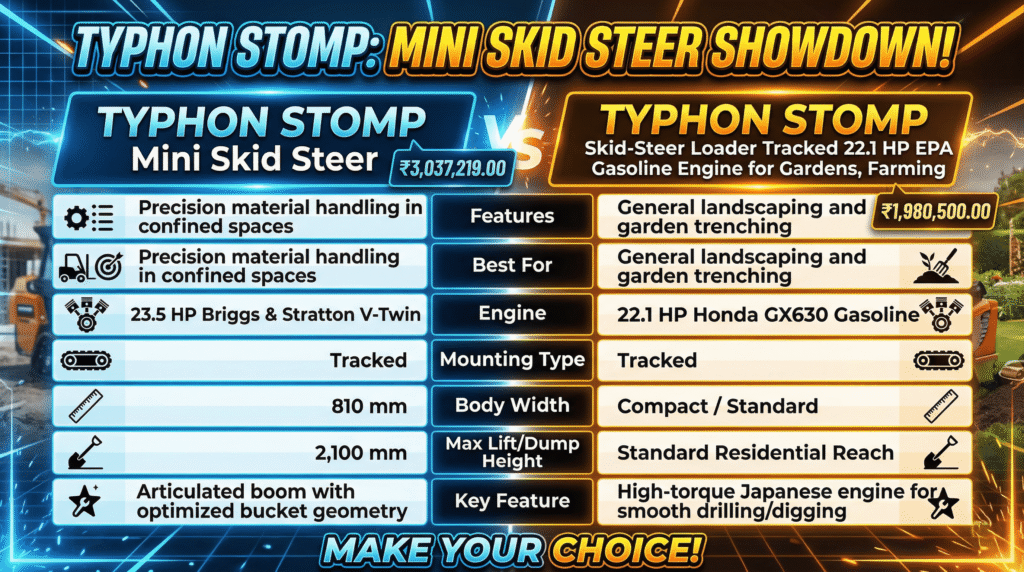
Here is a detailed comparison of the top TYPHON STOMP models to help you identify the right weight class and power for your project:
| Features | TYPHON STOMP Mini Skid Steer₹3,037,219.00 | TYPHON STOMP Skid-Steer Loader Tracked 22.1 HP EPA Gasoline Engine for Gardens, Farming₹1,980,500.00 |
| Best For | Precision material handling in confined spaces | General landscaping and garden trenching |
| Engine | 23.5 HP Briggs & Stratton V-Twin | 22.1 HP Honda GX630 Gasoline |
| Mounting Type | Tracked | Tracked |
| Body Width | 810 mm | Compact / Standard |
| Max Lift/Dump Height | 2,100 mm | Standard Residential Reach |
| Key Feature | Articulated boom with optimized bucket geometry | High-torque Japanese engine for smooth drilling/digging |
Choosing Between These Models
- Select the TYPHON STOMP 501 if you need a narrower profile (810mm) to fit through standard garden gates while still requiring the high lift height needed to dump debris into a truck or high-sided bin.
- The TYPHON STOMP 0502 is the preferred choice for those who favor the reliability and widespread parts availability of a Honda GX-series engine for long-term maintenance in agricultural settings.
3. New and Specialized Types
As technology gets better, new types of mini excavators are coming out that meet standards for the environment and accuracy.
Mini Excavators That Run on Electricity
Electric models like the Bobcat E10e and JCB 19C-1E are becoming very popular because people want to be more environmentally friendly.
- No emissions: This is important for indoor demolition, food processing plants, or hospitals where air quality is very important.
- Quiet Operation: Lets contractors work in residential areas early in the morning or late at night without making noise complaints.
- Lower Running Costs: No need for diesel fuel and much less engine maintenance.
Mini Excavators with Long Reach
Standard mini excavators can only reach so far, but some models have longer booms.
- Distant Digging: This is helpful for cleaning out small ponds or drainage ditches from a safe distance on the bank.
- Precision Grading: This lets the operator cover a bigger area without having to move the machine around a lot.
- Safety First: Keeps the machine away from edges that aren’t stable while still getting to the target area.
Key Attachments: Making Your Mini Digger More Powerful
The tool at the end of a mini excavator’s arm is what makes it useful. You can change the “type” of work the machine can do by switching attachments.
- Hydraulic Breakers: This makes your excavator into a strong jackhammer that can break up rocks or concrete driveways.
- Augers: These tools are used to drill exact holes for fence posts, planting trees, or building piers.
- Grapples and thumbs: These are necessary for demolition or forestry work because they let the machine “pinch” and move debris, logs, or stones.
FAQs – Types of Mini Excavators
What do most people use a mini excavator for?
People mostly use mini excavators for digging trenches, landscaping, small-scale demolition, and fixing utilities. Because they are small, they are the best choice for home projects where bigger machines won’t fit.
What is the price of a mini excavator?
The price changes a lot depending on the brand and size. In India, the price of entry-level models usually starts at ₹10 Lakhs and goes up to ₹45 Lakhs for high-end 8-ton midi excavators.
Do I need a special license to drive a mini excavator?
Most commercial sites need an operator certification, but the rules differ from place to place. To make sure safety and avoid damage to the machine, it is strongly advised to get formal training.
Can a small excavator get rid of big tree stumps?
Yes, but only if you have the right attachment. Mini excavators (usually 3 tons and up) can handle most residential stumps by using a digging bucket to expose the roots and a hydraulic thumb or ripper to pull the stump.
Is Zero Tail Swing better than Conventional?
It depends on where you work. If you work in tight urban areas or next to walls, choose Zero Tail Swing. If you need the most lifting power and work in open areas where the back of the machine doesn’t need to be clear, choose Conventional.
How do I move a mini excavator?
You can move most mini excavators that weigh less than 4 tons with a regular utility trailer and a heavy-duty pickup truck. Most of the time, bigger midi-excavators (5–8 tons) need a special trailer or a flatbed truck just for them.
Are electric mini excavators as strong as diesel ones?
Modern electric mini excavators are made to have the same breakout force and hydraulic performance as diesel mini excavators. The main difference is that with a battery, you have to keep refueling it with diesel.
Choose the Best Types of mini excavators
In the end, Machinery is the best place to find your perfect machine. In line you need to carefully consider the limitations of your job site and your performance needs before you choose between the different types of mini excavators. The right choice will greatly increase your productivity, whether you value a zero tail swing model’s ability to “swing anywhere” or a midi-excavator’s raw lifting power.
At Machinery.We share the latest news, price lists, and technical specifications for the best brands in the business online. When you buy a mini excavator, you’re not just getting a machine; you’re also getting the ability to do any job, anywhere.